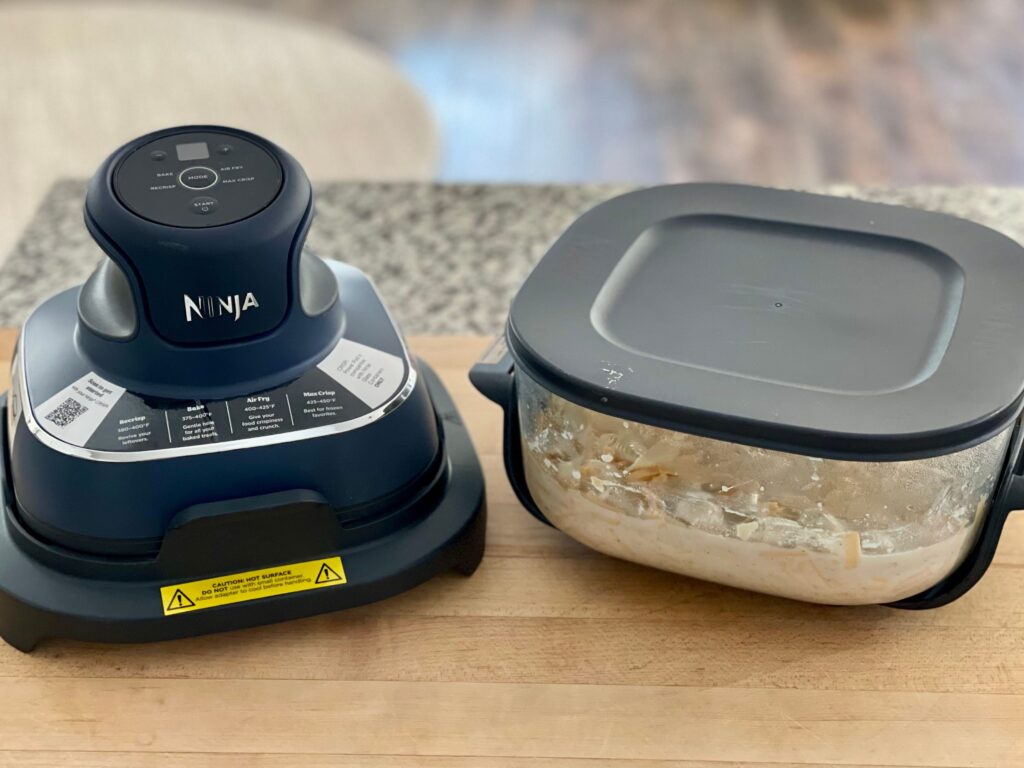
[amazon bestseller=”air fryer container”]
When it comes to achieving perfect cooking results in an air fryer, the choice of the right accessories can make all the difference. We often overlook one crucial item: the air fryer container. These containers are specifically designed to maximize airflow and ensure even cooking, making them essential for anyone who wants to elevate their culinary experience.
In this article, we will explore a range of top-rated air fryer containers that not only enhance performance but also simplify meal preparation. From silicone molds to metal baskets, our selection caters to various cooking styles and preferences. Are you ready to discover how the right air fryer container can transform your meals into gourmet delights? Let’s dive into our recommendations and find the perfect fit for your kitchen!
Best Air Fryer Container Materials for Optimal Cooking
When selecting the best air fryer container, the material plays a crucial role in achieving optimal cooking results. The right material not only influences heat conduction but also impacts flavor retention and ease of cleaning. We have tested various products to determine which materials yield the best performance and durability.
Common Materials Used for Air Fryer Containers
- Metal:
- Stainless Steel: Renowned for its durability, stainless steel is resistant to rust and corrosion. It provides excellent heat distribution, ensuring even cooking.
- Aluminum: Lightweight and conductive, aluminum heats up quickly, making it ideal for rapid cooking techniques.
- Silicone:
- Flexible and non-stick, silicone containers are easy to clean and can withstand high temperatures without warping. They are perfect for baking or steaming within an air fryer.
- Ceramic:
- Known for its aesthetic appeal, ceramic offers great heat retention properties. This material can create a beautiful presentation while also maintaining consistent temperatures during cooking.
- Glass:
- Borosilicate glass is often used as it is resistant to thermal shock. It allows you to monitor food easily while providing a non-reactive surface that preserves flavors.
Pros and Cons of Each Material
| Material | Pros | Cons |
|---|---|---|
| Stainless Steel | Durable, great heat conductivity | Can be heavy |
| Aluminum | Lightweight, quick heating | May react with acidic foods |
| Silicone | Non-stick, flexible | Limited lifespan under extreme heat |
| Ceramic | Attractive presentation, excellent retention | Can chip or crack |
| Glass | Non-reactive, easy monitoring | Fragile; requires careful handling |
By understanding these materials’ strengths and weaknesses, we can make informed choices when selecting our air fryer containers from the comparison chart above. Choosing the right type will enhance our cooking experience by ensuring even heating and facilitating easier cleanup after using our air fryers effectively.
Size and Capacity Considerations for Your Air Fryer
When choosing the right air fryer container, size and capacity are crucial factors that can significantly impact your cooking experience. An appropriately sized container allows for optimal air circulation within the fryer, which is essential for achieving evenly cooked food. If the container is too large or too small, it can hinder performance and lead to unsatisfactory results.
Understanding Air Fryer Capacity
Air fryers come in various sizes, typically measured in quarts. To select an ideal air fryer container, we must first consider the capacity of our air fryer:
- Small (2-4 quarts): Perfect for single servings or small families. A compact container ensures that food cooks quickly and evenly.
- Medium (5-6 quarts): Suitable for larger families or meal prepping. This size allows us to prepare multiple servings at once without overcrowding.
- Large (7+ quarts): Designed for gatherings or batch cooking. Opting for a larger container helps accommodate bigger items like whole chickens or multiple portions of fries.
Choosing the Right Container Size
To ensure optimal cooking results with our chosen air fryer containers from above, we should take into account both the dimensions of our air fryer and what we’re planning to cook:
- Food Type: Different foods may require different space allowances; delicate items need more room to cook properly without being crushed.
- Cooking Method: Baking requires a different approach than frying; thus, selecting a suitable container based on these methods will enhance performance.
- Volume Needs: We should estimate how much food we typically cook at once-this gives insight into whether a single-layer arrangement works best or if stacking is necessary.
By assessing these parameters carefully, we can confidently choose an air fryer container that fits our needs perfectly while also ensuring efficient use of space inside our appliance.
Recommendations Based on Common Sizes
Here’s a brief overview of how various sizes might influence your choice:
| Container Size | Recommended Use | Best For |
|---|---|---|
| Small (up to 1 quart) | Single servings | Snacks like fries or wings |
| Medium (1-2 quarts) | A small family meal | Casseroles and baked goods |
| Large (3+ quarts) | Larger family meals | Main dishes like roasts and stews |
Understanding these considerations ensures that we not only maximize our cooking efficiency but also enhance flavor retention by using an appropriately sized air fryer container tailored to our culinary needs.
Design Features That Enhance Cooking Performance
When selecting an air fryer container, design features play a vital role in enhancing cooking performance. The right design not only facilitates better heat circulation but also ensures that food cooks evenly and retains moisture, resulting in delicious outcomes. By investing time to understand these features, we can make informed choices about the products listed above and elevate our cooking experiences.
Key Design Elements
Several design aspects are essential for maximizing the functionality of our air fryer containers:
- Ventilation Holes: Containers with strategically placed ventilation holes allow hot air to circulate freely around the food, promoting even cooking and preventing sogginess.
- Non-Stick Coatings: A non-stick surface is crucial for easy food release and cleanup. This feature helps maintain the integrity of delicate items while ensuring they do not stick or burn.
- Heat Resistance: Materials that can withstand high temperatures without warping or degrading are essential for safety and durability during prolonged use.
- Stackable Designs: If we plan to cook multiple dishes at once, choosing stackable containers can optimize space within the air fryer while maintaining accessibility to each dish.
The Impact of Shape and Depth on Cooking Quality
The shape and depth of an air fryer container significantly influence how well it performs:
- Shallow Containers: These allow for more surface area exposure, which is ideal for achieving crispy textures on foods like fries or chicken wings.
- Deep Containers: While suitable for stews or casseroles where moisture retention is key, deeper designs may require careful consideration regarding airflow; thus choosing a model with good ventilation remains important.
- Circular vs. Square Shapes: Circular containers tend to promote better airflow due to their uniformity while square shapes maximize space efficiency inside the appliance.
Selecting an air fryer container with optimal design features ultimately leads us toward consistently excellent culinary results. Careful attention to these elements will enhance our overall experience when using the products showcased above, allowing us to enjoy perfectly cooked meals every time we use our air fryers.
Safety Standards and Durability in Air Fryer Accessories
Ensuring safety and durability in our air fryer containers is paramount for a successful cooking experience. When we choose accessories, they must not only enhance performance but also meet rigorous safety standards to protect both our health and the longevity of our appliances. Here are some critical aspects to consider when evaluating air fryer containers:
Material Safety
The materials used in air fryer containers should be food-grade and free from harmful chemicals such as BPA or PFAS. Containers made from stainless steel, silicone, or high-quality ceramic are often the best choices because they can withstand high temperatures without releasing toxins. We have tested various products listed above to ensure they adhere to these safety protocols.
Heat Resistance
Thermal stability is essential; thus, we need to select containers that can handle extreme heat without warping or degrading over time. Look for items with a specified temperature range that clearly indicates their safe operating limits. This feature contributes significantly not only to the container’s durability but also ensures that our meals cook evenly without any risk.
Durability Features
Durability does not solely depend on material; it also involves how well the product withstands frequent use and washing. Many of the products we’ve assessed come with features such as scratch-resistant surfaces or reinforced edges, enhancing their lifespan even after extensive usage in busy kitchens.
Table: Key Factors in Air Fryer Container Durability
| Factor | Description |
|---|---|
| Material Quality | Food-grade materials like stainless steel and silicone. |
| Heat Tolerance | Ability to withstand high temperatures without damage. |
| Resistance to Wear | Scratch-resistance and structural integrity under stress. |
| Chemical Safety | No leaching of harmful substances during cooking. |
By focusing on these safety standards and durability features, we can confidently select an air fryer container that meets our cooking needs while providing peace of mind regarding its safe use over time. Investing in quality accessories ultimately leads us toward achieving consistently excellent culinary results every time we utilize the products showcased above.
Compatibility with Various Air Fryer Models
When choosing the right air fryer container, compatibility with your specific air fryer model is a crucial factor that we must not overlook. Not all containers fit every air fryer, and using an incompatible accessory can lead to inefficient cooking results or even damage to our appliance. Understanding the dimensions and specifications of both our air fryer and the container ensures a seamless cooking experience without compromising performance.
Measuring Your Air Fryer Basket
To ensure a perfect fit, we should start by measuring the interior dimensions of our air fryer basket. Key measurements include:
- Diameter: Measure across the widest part of the basket.
- Height: Assess how much vertical space is available.
- Shape: Determine if our basket has any unique contours or design features that could affect compatibility.
This information helps narrow down options from the products listed above, ensuring we select an air fryer container that maximizes cooking efficiency while fitting perfectly in our appliance.
Selecting Versatile Containers
A great way to enhance adaptability is by choosing versatile containers designed for multiple models. Many manufacturers provide detailed compatibility charts alongside their products, indicating which air fryers are suitable for use with their containers. This feature allows us to make informed decisions based on verified compatibility rather than trial and error.
| Container Type | Description | Compatibility Notes |
|---|---|---|
| Cake Pans | Ideal for baking within various brands of air fryers. | Check diameter against your model’s inner basket size. |
| Baking Sheets | Sleek design allows for even heat distribution; fits most models. | Avoid oversized sheets that may block airflow. |
| Silicone Molds | Easily flexible; perfect for muffins and desserts in different shapes. | Mold height should match available space inside your fryer. |
The versatility of these containers contributes significantly to achieving optimal cooking results while ensuring they are compatible with various models. By prioritizing this aspect during selection, we can confidently utilize our chosen accessories without worrying about potential mishaps or inefficiencies in our cooking process.