[amazon bestseller=”air fryer gas stove”]
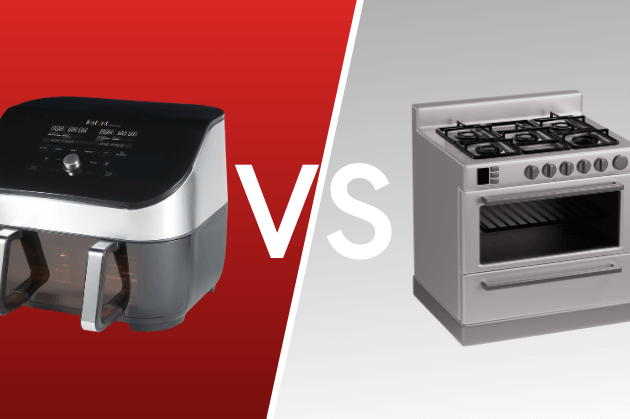
Choosing between an air fryer and a gas stove can feel overwhelming. Each cooking appliance offers unique benefits that can transform our culinary experience. While the air fryer promises healthier meals with its rapid hot air technology, the gas stove provides traditional cooking methods that many of us know and love. We all want to make informed decisions in our kitchens.
In this article, we will compare these two popular cooking options to help us understand their strengths and weaknesses. We’ll explore factors like versatility ease of use and health benefits associated with each appliance. Are we ready to discover which cooking tool best suits our lifestyle? Dive into our detailed comparison and see how the air fryer vs gas stove debate unfolds!
Best Air Fryer Gas Stove Features to Consider
When evaluating the best air fryer gas stove options, there are several key features we should consider to ensure we make an informed decision. Understanding these characteristics not only helps us identify which model suits our cooking style but also enhances our overall culinary experience. By taking a closer look at these features, we can determine how well each appliance meets our specific needs and preferences.
Cooking Capacity
One of the first factors to assess is the cooking capacity of both air fryers and gas stoves. Depending on the size of your household or the number of guests you typically entertain, you’ll want an appliance that can accommodate your cooking requirements effectively.
- Air fryers generally come in various sizes, ranging from compact models suitable for one or two people to larger ones designed for families.
- Gas stoves usually offer more versatility with multiple burners and oven space, allowing us to prepare several dishes simultaneously.
Temperature Control
Another crucial feature is temperature control. Precise temperature settings can significantly affect cooking outcomes.
- Air fryers typically provide adjustable temperature controls ranging from low to high heat, enabling us to cook a variety of foods perfectly.
- Gas stoves offer instant heat adjustments through flame control, giving us immediate feedback on temperature changes while cooking.
Ease of Use and Maintenance
The ease of use and maintenance is vital when selecting between an air fryer and a gas stove.
- Many modern air fryers come with user-friendly interfaces and preset functions for popular recipes, making them straightforward even for novice cooks.
- On the other hand, gas stoves may require regular maintenance such as cleaning burners and ensuring proper ventilation but often provide a more traditional cooking feel that many home chefs appreciate.
Energy Efficiency
Considering energy efficiency is essential for long-term savings on utility bills.
- Air fryers are known for their energy-efficient design; they preheat quickly and cook food faster than traditional methods.
- While gas stoves might consume more energy over time due to longer cooking durations, they tend to be efficient with fuel usage during peak operation times.
By carefully examining these features-cooking capacity, temperature control, ease of use and maintenance, as well as energy efficiency-we can find the right balance between functionality and convenience in our choice between an air fryer gas stove combination or standalone appliances. Remember that we’ve thoroughly tested various products listed above so that you can confidently choose what best fits your kitchen needs.
Cooking Speed and Efficiency: Air Fryer vs. Gas Stove
When it comes to cooking speed and efficiency, both air fryers and gas stoves offer distinct advantages that can influence our kitchen experience. Understanding how each appliance performs in terms of speed can help us make an informed choice based on our cooking habits and time constraints.
Air fryers are designed to cook food quickly by circulating hot air around the ingredients, significantly reducing cooking times compared to traditional methods. This rapid cooking process not only saves time but also conserves energy, making them an appealing option for those with busy schedules.
On the other hand, gas stoves provide immediate heat at various intensities due to their flame-based cooking method. This allows for precise control over cooking temperatures, enabling us to achieve perfect sears or gentle simmering as needed. However, while gas stoves may be less efficient in terms of overall cooking time-especially when considering preheating periods-they excel in delivering consistent results for diverse culinary techniques.
Cooking Times Comparison
Here’s a quick comparison of typical cooking times for common dishes using both appliances:
| Dish | Air Fryer Time | Gas Stove Time |
|---|---|---|
| French Fries (1 lb) | 15 minutes | 25-30 minutes (deep frying) |
| Chicken Breast (1 lb) | 25 minutes | 30-35 minutes (pan-frying) |
| Pizza (12 inch) | 10-15 minutes | 15-20 minutes (baking) |
| Baked Vegetables | 20 minutes | 30-40 minutes (roasting) |
From this comparison table, we can see that air fryers often provide faster results for many popular dishes. However, if we require larger quantities or prefer certain textures achieved only through stovetop methods-such as browning or caramelizing-a gas stove remains invaluable.
In conclusion, the choice between an air fryer and a gas stove ultimately hinges on our individual needs regarding speed and efficiency in meal preparation. By evaluating these aspects alongside other features we’ve discussed earlier, we’re better equipped to select the ideal appliance from our tested products above that complements our culinary endeavors effectively.
Health Benefits: Comparing Cooking Methods
When we weigh the health benefits of cooking with an air fryer versus a gas stove, several factors come into play. Each method offers unique advantages that can impact our nutrition and overall well-being. Understanding these benefits is essential in making informed decisions about which appliance best suits our lifestyle and dietary goals.
Air fryers are often lauded for their ability to produce crispy textures without the need for excessive oil, significantly reducing calorie intake. By utilizing hot air circulation, they cook food quickly while retaining moisture and flavor, which can lead to healthier meal options. This method also helps preserve nutrients better than some traditional frying techniques, making it ideal for those who prioritize health-conscious eating.
Conversely, cooking on a gas stove allows us greater versatility in preparing meals at various temperatures. It provides direct heat control, enabling us to sauté vegetables or simmer sauces effectively while still retaining their nutritional value. Additionally, methods like steaming or boiling can be easily achieved on a gas stove with minimal added fats or oils.
### Nutritional Comparisons
To further illustrate the differences between these two cooking methods regarding nutritional outcomes, we can look at specific examples:
| Dish | Cooking Method | Nutrient Retention |
|---|---|---|
| French Fries (1 lb) | Air Fryer | Lower fat content & higher fiber retention |
| Sautéed Vegetables | Gas Stove | Better vitamin retention due to quick cooking times |
| Baked Chicken Breast (1 lb) | Air Fryer | Tender & moist with lower calories from oil usage |
In this comparison table, we see how air fryers can help reduce unhealthy fats while maintaining flavors and textures that appeal to many palates. Meanwhile, gas stoves shine when it comes to preserving vitamins and minerals through careful temperature management during preparation.
### Conclusion of Health Impacts
Ultimately, both cooking methods provide significant health benefits when used appropriately; however, our choice should reflect not only personal taste preferences but also nutritional goals. With our tested products displayed above offering varied features tailored to different needs, we’re equipped to select an appliance that aligns perfectly with our pursuit of healthier meals in the kitchen.
Cost-Effectiveness: Long-Term Savings on Appliances
Choosing between an air fryer and a gas stove involves more than just culinary preferences; it also requires consideration of cost-effectiveness over time. When we examine the long-term savings associated with these appliances, various factors come into play, such as energy consumption, maintenance costs, and overall durability. We must analyze how each option can impact our kitchen budget in the years to come.
Energy Efficiency
Air fryers generally consume less energy compared to gas stoves, primarily because they heat up quickly and cook food faster. This means that during regular use, air fryers can lower electricity bills significantly. In contrast, while gas stoves may offer immediate heat through flames, they often require more fuel for longer cooking times.
- Average energy consumption: Air fryers typically use about 1,500 watts per hour.
- Gas usage: On average, gas stoves consume roughly 25% more energy when considering the time taken to preheat and cook meals.
The difference in efficiency becomes even clearer when we consider the frequency of use; those who rely on their cooking appliance daily will notice substantial savings with an air fryer over time.
Maintenance Costs
Another aspect influencing long-term savings is maintenance. Air fryers are generally easier to clean and maintain due to their non-stick surfaces and removable parts that are often dishwasher-safe. Conversely, gas stoves may require periodic servicing to ensure optimal performance due to potential issues with burners or ignition systems.
Here’s a quick comparison:
| Appliance | Cleaning Ease | Expected Lifespan | Maintenance Frequency |
|---|---|---|---|
| Air Fryer | Easy | 5-10 years | Rarely needed |
| Gas Stove | Moderate | 10-20 years | Regular checks needed |
A well-maintained air fryer might save you money initially through lower cleaning costs but could also lead you toward purchasing additional accessories or replacements if used heavily.
Durability and Initial Investment
While both appliances have varying lifespans-air fryers lasting around 5-10 years while gas stoves can last much longer-the initial investment should not be overlooked. Gas stoves typically hold higher price points upfront but may provide better longevity if maintained properly.
We encourage readers to consider these aspects alongside product comparisons listed above:
- Initial purchase price
- Energy efficiency ratings
- Maintenance requirements
Understanding these elements ensures that we’re making informed decisions based on both current needs and future financial implications while choosing between an air fryer or a gas stove in our kitchens.
Versatility in Cooking Styles and Meal Preparation
When considering the , both air fryers and gas stoves offer unique advantages that cater to different culinary needs. An air fryer is designed to provide a healthier alternative for frying while maintaining the delicious crispiness we all love. It excels at quickly preparing a variety of dishes, from snacks like fries and chicken wings to full meals such as casseroles or roasted vegetables. The compact nature of an air fryer allows for easy storage and quick access, making it ideal for those with limited kitchen space.
In contrast, gas stoves bring traditional cooking methods into play, allowing us to sauté, simmer, boil, and grill with precision. The immediate heat control offered by gas burners provides an unparalleled level of responsiveness that many chefs prefer. This means we can easily adjust temperatures while cooking complex dishes requiring careful monitoring.
Cooking Techniques
- Air Fryer:
- Ideal for frying with minimal oil.
- Great for reheating leftovers quickly without drying them out.
- Can bake items like cookies or muffins effectively.
- Gas Stove:
- Supports various techniques: boiling pasta, searing meats, or creating sauces.
- Provides even heating across large pots and pans.
- Allows multi-tasking; multiple burners enable us to prepare several components simultaneously.
Meal Preparation Flexibility
Both appliances also shine when it comes to meal preparation flexibility:
- With an air fryer, we can batch cook snacks or sides ahead of time-perfect for meal prep enthusiasts looking to streamline their weekly cooking routines.
- On the other hand, a gas stove facilitates intricate recipes that require layering flavors over longer periods. Think slow-cooked stews or stir-fried dishes where timing is crucial-the stove’s flame adjusts perfectly according to our requirements.
We encourage you to explore the comparison table above; it highlights how these two options excel in diverse cooking scenarios based on our tested experiences. Understanding which appliance aligns best with our preferred style will significantly enhance our culinary adventures-whether we seek quick meals on busy days or elaborate dinners that impress guests.