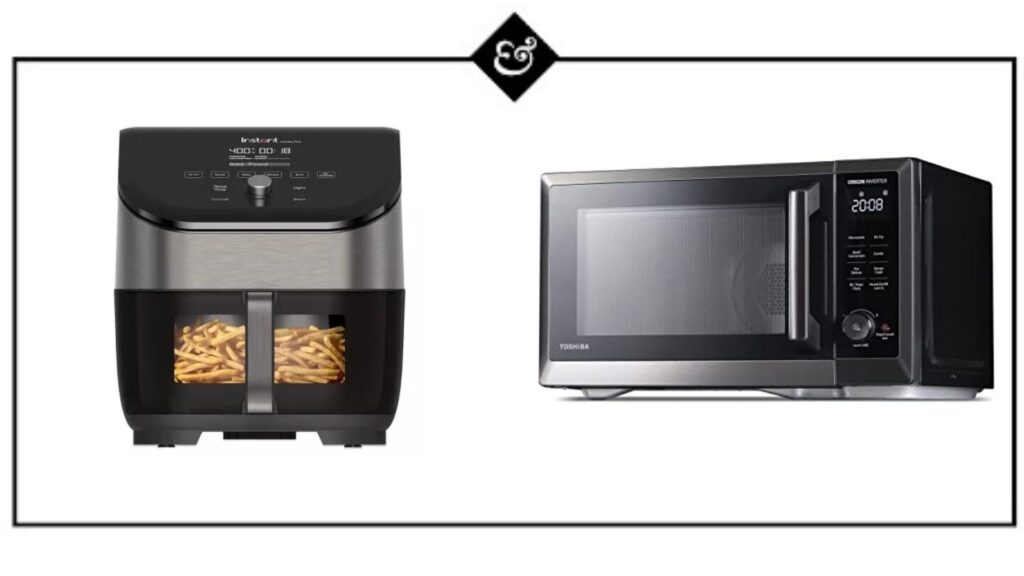
[amazon bestseller=”air fryer/microwave”]
When it comes to cooking appliances, the air fryer and microwave have become indispensable in our kitchens. Both offer unique advantages that can transform our meal prep experience but which one truly suits our needs? In this article, we will dive deep into the features benefits and drawbacks of each appliance.
The air fryer provides a healthier alternative for frying foods while maintaining that crispy texture we all love. On the other hand, the microwave excels at convenience and speed making it a staple for busy lifestyles. As we compare these two popular choices, we’ll help you determine which option aligns best with your culinary goals.
Are you ready to elevate your cooking game? Let’s explore how an air fryer or microwave could be the perfect addition to your kitchen arsenal!
Best Air Fryer Features to Consider
When choosing the right air fryer, it’s essential to focus on features that enhance your cooking experience and align with your needs. Not all models are created equal, so understanding what to look for can help us make an informed decision. We want our air fryer to not only prepare delicious meals but also fit seamlessly into our kitchen routine. Below are key features we should consider.
Capacity and Size
The capacity of an air fryer is a crucial factor, especially if we often cook for family or entertain guests. Most models come in various sizes, typically ranging from 2 quarts to over 6 quarts. Here’s a quick overview of how size impacts usability:
- Small (2-3 quarts): Ideal for singles or couples; perfect for small batches.
- Medium (4-5 quarts): Suitable for families; allows cooking multiple portions at once.
- Large (6+ quarts): Great for meal prepping or hosting gatherings; accommodates larger items like whole chickens.
Choosing the appropriate size ensures that we can prepare meals efficiently without overcrowding the basket.
Cooking Functions
A versatile air fryer offers multiple cooking functions beyond frying, which can significantly enhance its utility in our kitchen. Many advanced models include options such as:
- Baking: For preparing desserts and bread.
- Roasting: To achieve perfectly cooked meats and vegetables.
- Grilling: Excellent for achieving grill marks indoors without needing a traditional grill.
By selecting an air fryer with diverse functionalities, we expand our culinary repertoire while simplifying meal preparation.
Ease of Use and Cleanup
User-friendly controls and easy cleanup are paramount when considering an air fryer. Look out for these aspects:
- Digital Controls: Models with touch screens or straightforward dials simplify temperature adjustments and cooking times.
- Pre-set Functions: Convenient presets allow us to select specific foods quickly-just press a button!
- Removable Parts: Dishwasher-safe components make cleaning hassle-free, promoting regular use without the dread of tedious cleanup.
Opting for an easy-to-use model maximizes our time spent enjoying food rather than struggling with equipment maintenance.
Safety Features
Safety should always be a priority in any kitchen appliance choice. Key safety features to consider include:
- Cool-Touch Exterior: Prevents burns during operation by keeping surfaces safe to touch.
- Auto Shut-Off Functionality: Automatically turns off when cooking is complete, minimizing fire risk.
Ensuring that these safety measures are present gives us peace of mind while using our new appliance.
With these considerations in mind, we’re better equipped to choose the ideal air fryer that meets both our culinary desires and practical needs-allowing us to enjoy tasty meals prepared effortlessly at home!
Key Benefits of Microwave Cooking
Microwave cooking offers several advantages that can complement our culinary toolkit, especially when we consider its efficiency and convenience. While an air fryer excels in certain areas, microwaves bring unique benefits that are hard to overlook. Below, we explore the key benefits of using a microwave for meal preparation.
Speed and Convenience
One of the most significant advantages of microwave cooking is its speed. Microwaves can heat food in a fraction of the time compared to traditional methods. For busy individuals or families, this feature allows us to prepare meals quickly without sacrificing quality. Whether reheating leftovers or defrosting ingredients for dinner, a microwave saves us valuable time during hectic days.
Versatility
Microwaves are incredibly versatile appliances capable of performing various tasks beyond simple reheating. They can steam vegetables, cook rice, melt chocolate, and even bake certain dishes if used correctly. This adaptability means we can experiment with different recipes without needing multiple kitchen gadgets occupying counter space.
Energy Efficiency
Using a microwave is often more energy-efficient than conventional ovens or stovetops. Since microwaves cook food directly by agitating water molecules within it, they require less energy overall. This efficiency translates into lower energy bills and less environmental impact-a benefit worth considering as we evaluate our kitchen choices.
| Feature | Microwave | Air Fryer |
|---|---|---|
| Cooking Speed | Very fast (minutes) | Faster than oven but slower than microwave |
| Versatility | High (multiple functions) | Moderate (primarily frying/roasting) |
| Energy Consumption | Low | Moderate |
Health Benefits
Another advantage is the potential health benefits associated with microwave cooking. Studies suggest that microwaving vegetables helps retain more nutrients compared to boiling them since it reduces cooking time and uses less water. By incorporating a microwave into our cooking routine alongside an air fryer, we can create healthier meals while retaining essential vitamins and minerals.
By understanding these , we enhance our ability to choose between these two powerful appliances effectively-allowing us to optimize our kitchen experience further based on personal preferences and dietary needs while making informed decisions about which products suit us best from those highlighted above.
Cooking Time and Efficiency Comparison
When evaluating the cooking time and efficiency of an air fryer versus a microwave, it becomes clear that each appliance brings its own strengths to the table. While both are designed to save time in the kitchen, they accomplish this through different methods and techniques. Understanding these differences can help us make informed choices about which device will best suit our needs.
Cooking Speed
Microwaves are renowned for their speed, often heating food in mere minutes. This rapid cooking method is particularly beneficial for busy households where meals need to be prepared quickly without compromising on taste or quality. In contrast, while air fryers cook faster than traditional ovens, they generally take longer than microwaves to achieve similar results.
Energy Efficiency
Energy consumption is another critical aspect when comparing these two appliances. Microwaves typically use less energy since they focus on heating food directly rather than preheating an entire oven chamber as air fryers do. This means that not only do we save time with a microwave, but we also benefit from lower energy bills over time.
| Feature | Microwave | Air Fryer |
|---|---|---|
| Cooking Time | Very fast (1-5 minutes) | Moderate (15-25 minutes) |
| Energy Consumption | Low | Moderate |
| Cooking Method Efficiency | Direct heating (fast) | Circulated hot air (slower) |
Overall Efficiency
While the air fryer shines in achieving crispy textures and browning foods effectively, it cannot match the sheer speed of a microwave. For those who prioritize quick meal preparation and energy efficiency, opting for a microwave may be more advantageous. However, if we’re looking for versatility alongside decent cooking times-especially for items like frozen fries or chicken wings-an air fryer offers unique benefits that shouldn’t be overlooked.
By assessing our culinary habits and preferences alongside these comparisons, we can better decide which appliance warrants space in our kitchens-and ultimately leads us to make confident choices among the products highlighted above.
Healthier Meal Options: Air Fryer vs Microwave
When it comes to preparing healthier meals, both the air fryer and microwave have their unique advantages. Understanding how each appliance contributes to nutritious cooking can help us make better choices that align with our dietary goals. While microwaves are excellent for reheating and steaming, air fryers provide a way to achieve crispy textures without excessive oil, making them a popular choice for those looking to enjoy fried foods guilt-free.
Nutritional Retention
One of the significant benefits of using a microwave is its ability to preserve nutrients through rapid cooking. Since microwaves cook food quickly and at lower temperatures compared to traditional methods, they can help retain vitamins and minerals that might be lost during longer cooking times. This makes microwaving an ideal option for vegetables and lean proteins.
On the other hand, air fryers utilize hot air circulation to cook food evenly while achieving that sought-after crispiness. By requiring less oil than deep-frying – often just a tablespoon or two – we can create dishes that are significantly lower in calories and unhealthy fats. The result is meals that satisfy cravings without compromising health.
Cooking Techniques
- Microwave:
- Best for reheating leftovers.
- Effective for steaming vegetables.
- Ideal for defrosting meats quickly.
- Air Fryer:
- Great for creating crispy textures with minimal oil.
- Suitable for roasting vegetables or protein-rich foods.
- Excellent alternative for frying frozen snacks like fries or chicken wings.
The versatility of both appliances means we can cater our meal prep based on preferences or time constraints. For instance, if we’re in a hurry but want something healthy, popping veggies into the microwave may be our best bet. Conversely, if we’re planning a family dinner with satisfying crunches from roasted potatoes or chicken tenders, reaching for the air fryer will likely yield delicious results with fewer calories.
| Aspect | Microwave | Air Fryer |
|---|---|---|
| Nutrient Preservation | High (fast cooking) | Moderate (depends on method) |
| Oil Usage | No oil required | Minimal (<2 tbsp) |
| Crispiness Factor | None | High (achieves fried texture) |
By evaluating these aspects carefully alongside our culinary habits and nutritional goals, we empower ourselves to choose wisely between an air fryer or microwave in terms of healthier meal options. Ultimately, both appliances offer distinct advantages worth considering when deciding which products above will best enhance our kitchen experience while supporting our health objectives.
Cost-Effectiveness and Long-Term Value
When evaluating the of an air fryer versus a microwave, it’s essential to consider not just the initial purchase price but also how each appliance impacts our utility bills and food costs over time. Both appliances cater to different cooking needs, which can influence their overall value in our kitchens.
An air fryer typically has a higher upfront cost compared to most microwaves. However, its energy efficiency during operation and ability to prepare healthier meals with less oil may lead to savings on groceries in the long run. Cooking portions at home instead of purchasing pre-packaged fried foods can significantly reduce monthly expenses.
Conversely, microwaves often come with a lower initial investment and consume less electricity per use than air fryers. They excel at reheating leftovers or quickly defrosting frozen items, making them invaluable for busy households looking for convenience without extensive meal prep.
Operational Costs
- Air Fryer:
- Energy-efficient cooking methods.
- Often requires less cooking time than traditional frying.
- Microwave:
- Generally consumes less power during short heating cycles.
- Ideal for quick tasks like warming up food or beverages.
Longevity and Maintenance
The longevity of these appliances also plays a critical role in determining their overall value:
- Air fryers are typically built with durable materials but may require regular cleaning to prevent buildup from oils and food particles.
- Microwaves usually have fewer parts that wear out over time; however, they may need occasional maintenance if issues arise with the magnetron or turntable mechanism.
By considering both operational costs and potential maintenance needs alongside our culinary habits, we can better assess whether an air fryer or microwave will ultimately provide greater value. Each product featured above has been rigorously tested for performance, ensuring that we choose wisely based on both immediate benefits and long-term satisfaction in our kitchens.