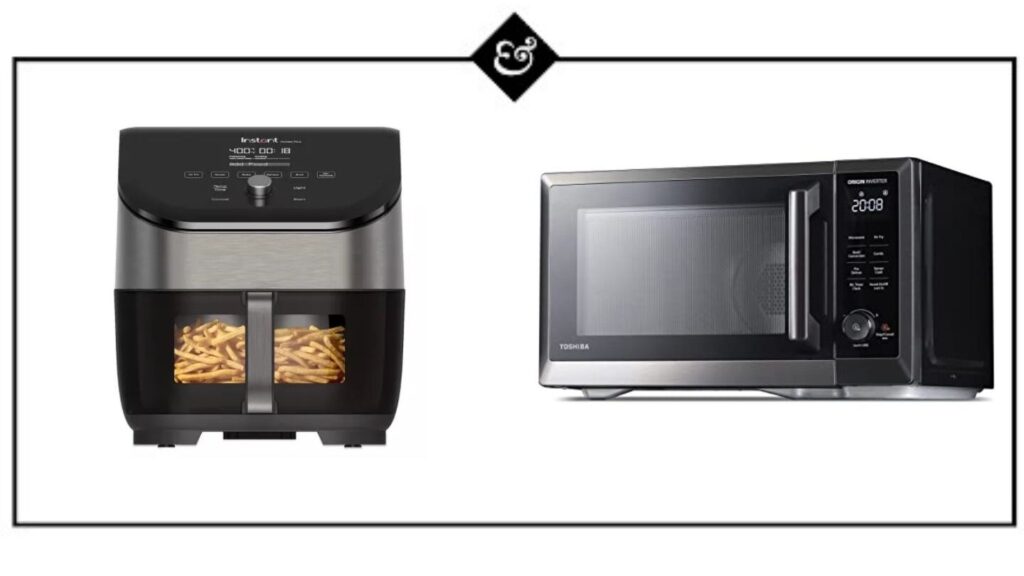
[amazon bestseller=”air fryer and microwave”]
In today’s fast-paced world, choosing the right kitchen appliance can make all the difference in our cooking experience. When it comes to convenient cooking, the air fryer and microwave stand out as two of the most popular options. Both appliances offer unique advantages that can transform our meal preparation from tedious to effortless.
As we explore the air fryer and microwave, we’ll dive into their functionalities, benefits, and how they fit into our modern lifestyles. Whether we’re craving crispy fries or a quick reheating solution, understanding these devices helps us make informed choices for our kitchens.
Have you ever wondered which appliance is truly worth your investment? Join us as we compare these culinary powerhouses and discover which one aligns better with our cooking needs!
Best Uses for Air Fryers and Microwaves
When it comes to choosing between an air fryer and a microwave, understanding their best uses can significantly enhance our cooking experience. Each appliance excels at specific tasks, making them valuable additions to our kitchens. By recognizing these strengths, we can make informed decisions that align with our culinary needs and preferences.
Air Fryers: Ideal for Crispy Textures
Air fryers are renowned for their ability to create crispy and delicious meals without the excessive use of oil. They work by circulating hot air around the food, resulting in a crunchy exterior while keeping the inside moist. Here are some of the best uses for air fryers:
- Fried Foods: Perfect for replicating traditional fried dishes like chicken wings, French fries, and onion rings.
- Roasting Vegetables: Achieves caramelization and a satisfying crunch in roasted vegetables such as Brussels sprouts or carrots.
- Reheating Leftovers: Restores crispiness to leftover pizza or breaded items that would otherwise become soggy in a microwave.
Microwaves: Quick Heating & Cooking
Microwaves shine when it comes to speed and convenience. They heat food quickly through electromagnetic radiation, making them suitable for various cooking tasks. The following highlights showcase their versatility:
- Defrosting Food: Efficiently thaws frozen meat or vegetables in minutes without compromising quality.
- Steaming Vegetables: Quickly cooks vegetables while retaining nutrients; simply add water in a microwave-safe container.
- Cooking Convenience Meals: Ideal for instant meals like soups or ready-to-eat pasta that require minimal preparation time.
By understanding these optimal uses of an air fryer and microwave, we can select the right appliance based on our cooking style and requirements. For anyone considering purchasing one of these appliances from the comparison above, knowing what each does best will help clarify which option is more aligned with personal culinary goals.
Key Features to Consider in Your Selection
When selecting between an air fryer and a microwave, certain key features can greatly influence our decision-making process. Understanding these attributes not only aids us in choosing the right appliance but also ensures that it meets our cooking expectations. As we explore these features, we should keep in mind how they align with our culinary habits and preferences.
Cooking Capacity
One of the most crucial aspects to consider is cooking capacity. Air fryers typically range from smaller models suitable for one or two servings to larger units that can accommodate meals for families. In contrast, microwaves often offer more versatile sizes, allowing for larger dishes or multiple items to be heated simultaneously. It’s essential to assess our cooking needs and kitchen space when evaluating which size will serve us best.
Versatility of Functions
Another important feature is the versatility of functions offered by each appliance. Air fryers are designed primarily for frying, roasting, baking, and grilling; many come equipped with specialized settings like dehydrating or rotisserie functions. On the other hand, microwaves excel at heating and defrosting but may include additional features such as grilling elements or sensor cooking technology that adjusts power levels based on food moisture levels. Depending on what we intend to cook most frequently, this versatility could make a significant difference in our choice.
Ease of Use & Maintenance
The ease of use and maintenance is also vital when making a selection. Air fryers generally feature digital interfaces with pre-programmed settings that simplify meal preparation but may require more frequent cleaning due to their design. Conversely, microwaves tend to have straightforward controls and easy-to-clean surfaces since most spills are contained within their interiors. Assessing how much time we’re willing to invest in cleaning after meal preparation can help guide our decision.
| Feature | Air Fryer | Microwave |
|---|---|---|
| Cooking Capacity | Varies; suitable for small family meals. | Larger options available; good for multiple dishes. |
| Functionality | Frying, roasting, baking; some advanced features. | Mainly heating; possible grill function. |
| Ease of Cleaning | Requires regular cleaning due to food buildup. | Easier cleanup with fewer components exposed. |
By considering these key features-cooking capacity, versatility of functions, and ease of use-we equip ourselves with valuable insights into choosing between an air fryer and a microwave effectively. Our selections above reflect tested appliances tailored towards different culinary needs while ensuring quality performance in the kitchen.
Health Benefits of Using Each Appliance
Using an air fryer and a microwave offers unique health benefits that can align with our dietary goals and cooking preferences. Understanding these advantages not only enhances our culinary experience but also supports healthier eating habits, especially when we are mindful of how we prepare our meals. Below, we explore the specific health benefits associated with each appliance.
Health Benefits of Air Fryers
Air fryers have garnered attention for their ability to create crispy textures without the need for excessive oil. This method significantly reduces calorie intake compared to traditional frying techniques. Some key benefits include:
- Lower Fat Content: By using hot air circulation instead of submerging food in oil, air fryers can cut down fat content by up to 75%. This is particularly beneficial for those looking to manage weight or reduce cholesterol levels.
- Retention of Nutrients: Cooking at high speeds with minimal oil helps retain essential nutrients in vegetables and proteins, ensuring that meals are both tasty and nutritious.
- Versatility in Cooking Styles: From roasting vegetables to baking desserts, air fryers allow us to experiment with various cooking styles while maintaining healthier outcomes.
Health Benefits of Microwaves
Microwaves might often be overlooked regarding their health advantages; however, they provide several notable benefits as well:
- Quick Cooking Times: The rapid heating capabilities of microwaves mean that foods cook faster than conventional methods. This speed helps preserve vitamins and minerals, which can degrade during longer cooking processes.
- Less Need for Added Fats: When using a microwave, there is typically less requirement for oils or fats during cooking since many dishes can steam or heat effectively on their own. This leads to lower overall caloric intake.
- Convenient Meal Preparation: With features like defrosting or reheating leftovers quickly, microwaves encourage the consumption of home-cooked meals rather than fast food options that are often higher in unhealthy fats and sugars.
| Health Benefit | Air Fryer | Microwave |
|---|---|---|
| Fat Reduction | Up to 75% less fat compared to frying. | Minimal use of added oils. |
| Nutrient Retention | Preserved vitamins due to rapid cooking. | Quick cooking times help maintain nutrient levels. |
| Culinary Versatility | Can roast, bake, grill with healthy outcomes. | Effective steaming and reheating promotes home-cooking. |
By considering these health benefits related to the air fryer and microwave options available above, we position ourselves better towards making informed choices about our kitchen appliances. Each option brings distinct advantages that cater not just to convenience but also support a healthier lifestyle overall.
Cooking Times: Air Fryer vs Microwave
When it comes to cooking times, both the air fryer and microwave offer distinct advantages that can significantly influence our meal preparation efficiency. Understanding how each appliance operates allows us to make smarter choices, especially when time is of the essence in our busy lives. Let’s delve into the specifics of cooking times for these two popular kitchen appliances.
Cooking Times with Air Fryers
Air fryers are celebrated for their ability to cook food quickly while achieving a crispy texture reminiscent of traditional frying. Typically, air fryers can reduce cooking times by up to 20% compared to conventional ovens, making them an excellent option for those who want meals prepared in less time. For example:
- Frozen Foods: Items like french fries or chicken nuggets may take around 15-20 minutes.
- Vegetables: Roasting vegetables usually requires about 10-15 minutes.
- Meats: Chicken breasts can be cooked in just 20-25 minutes.
These reduced times not only save us precious moments but also help retain moisture and flavor in our meals.
Cooking Times with Microwaves
Microwaves excel at reheating and defrosting food rapidly. Their speed makes them particularly useful for busy individuals or families looking for convenience without compromising on taste. Typical cooking times include:
- Reheating Leftovers: Generally takes between 2-5 minutes depending on portion size.
- Defrosting Meat: Often completed within 5-10 minutes based on weight.
- Cooking Vegetables: Fresh veggies may take around 3-4 minutes when steamed.
This swift performance means we can enjoy home-cooked meals more often, reducing reliance on processed options.
| Food Type | Air Fryer Time | Microwave Time |
|---|---|---|
| Frozen Foods | 15-20 minutes | N/A (primarily reheating) |
| Vegetables | 10-15 minutes | 3-4 minutes (steamed) |
| Meats (e.g., Chicken Breasts) | 20-25 minutes | N/A (defrosting typically) |
| Leftovers Reheating | N/A (not typical usage) | 2-5 minutes |
By evaluating these cooking times, we position ourselves better toward choosing the right appliance that fits our lifestyle needs. Whether we prioritize quick heating or a crispy finish, understanding these nuances will help us utilize both appliances effectively in our kitchens.
Energy Efficiency: Which Is More Eco-Friendly?
When we consider the environmental impact of our kitchen appliances, energy efficiency becomes a crucial factor in our decision-making process. Both the air fryer and microwave are designed to consume less energy compared to traditional cooking methods, but understanding their specific efficiencies can help us make more informed choices. By examining how each appliance operates and their respective energy usage, we can determine which option aligns better with our eco-friendly goals.
Energy Consumption of Air Fryers
Air fryers typically use a convection heating method that circulates hot air around the food. This efficient cooking technique allows them to reach desired temperatures quickly and maintain those levels with minimal energy output. On average, an air fryer consumes about 1,200 to 1,800 watts during operation for a relatively short duration.
- Quick Cooking Times: Their ability to cook meals faster means they often run for shorter periods than other appliances.
- Less Heat Loss: The compact design reduces heat loss compared to larger ovens or stovetops.
Energy Consumption of Microwaves
Microwaves operate using electromagnetic radiation to heat food directly from within. This method is highly effective for reheating and defrosting while consuming significantly less power than conventional ovens. Typically, microwaves range from 600 to 1,200 watts depending on the model.
- Lower Power Usage: They generally require less wattage overall due to their quick heating capabilities.
- Efficient Reheating: For tasks like reheating leftovers or defrosting meat, microwaves excel with minimal energy expenditure.
| Appliance | Average Wattage | Cooking Duration |
|---|---|---|
| Air Fryer | 1,200 – 1,800 watts | 15 – 25 minutes (varies by meal) |
| Microwave | 600 – 1,200 watts | 2 – 5 minutes (for most tasks) |
By analyzing these figures alongside our cooking habits and preferences-especially focusing on the products listed above-we can recognize that both appliances offer unique advantages in terms of energy efficiency. While air fryers provide exceptional speed in achieving crispy textures without excessive oil use, microwaves shine when it comes to rapid reheating and lower overall power consumption.
In conclusion, evaluating both options through an eco-conscious lens helps us not only choose wisely between an air fryer and microwave but also empowers us toward making sustainable decisions in our kitchens.