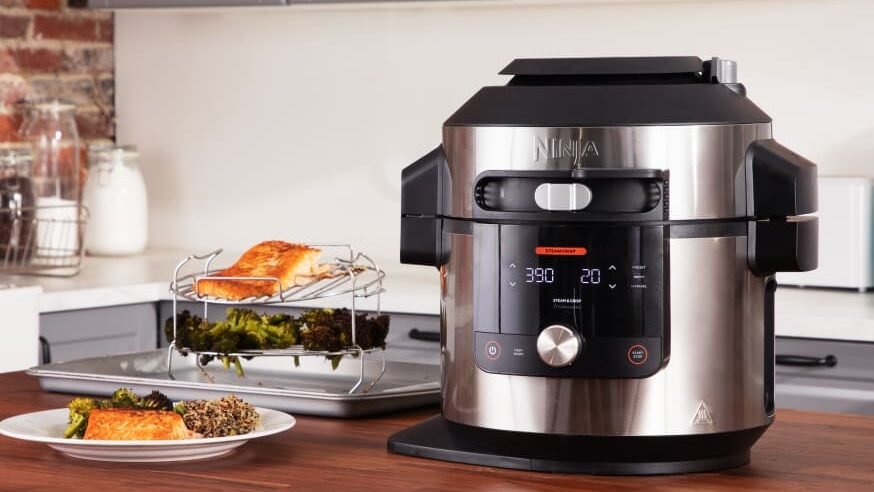
Home » air fryer » Best Choices: Air Fryer vs Pressure Cooker Comparison
[amazon bestseller=”air fryer vs pressure cooker”]
In the world of modern cooking, choosing between an air fryer vs pressure cooker can be a game-changer for our kitchen experience. These appliances each bring unique benefits to the table that can elevate our culinary creations. With their ability to save time and energy while delivering delicious meals, understanding their key differences is essential for making an informed decision.
An air fryer offers the convenience of healthier frying with crispy results while a pressure cooker excels in tenderizing tough cuts of meat and speeding up meal prep. As we explore these two popular kitchen gadgets, we’ll uncover which one aligns better with our cooking style and needs. Are we craving quick weeknight dinners or crispy snacks? The choice we make could redefine our cooking adventures! Let’s dive deeper into this comparison and discover which appliance deserves a spot on our countertop.
Best Features of Air Fryers and Pressure Cookers
Air fryers and pressure cookers each come with a distinct set of features that cater to different cooking styles and preferences. Understanding these features can help us make an informed choice when comparing the two appliances. We have thoroughly tested various models, ensuring we highlight what sets them apart and what you should focus on when selecting the best option for your kitchen.
Air Fryer Features
Healthier Cooking: One of the standout benefits of air fryers is their ability to produce crispy foods using significantly less oil than traditional frying methods. This not only reduces calories but also minimizes unhealthy fats.
Rapid Cooking Time: Air fryers utilize convection heating, which circulates hot air around food. This leads to faster cooking times compared to conventional ovens, making meal prep more efficient.
User-Friendly Controls: Many air fryers come equipped with intuitive digital controls and pre-set cooking programs. These features simplify the cooking process, allowing even novice cooks to achieve great results effortlessly.
Pressure Cooker Features
Time Efficiency: Pressure cookers excel in speed by using high-pressure steam to cook meals quickly. They can significantly reduce cooking times for tough cuts of meat or grains, making them ideal for busy lifestyles.
Flavor Infusion: The sealed environment of a pressure cooker retains moisture and flavor, resulting in rich-tasting dishes that are often enhanced compared to those prepared using other methods.
Versatility in Cooking Methods: Modern electric pressure cookers offer multiple functions such as sautéing, slow cooking, steaming, and even yogurt-making. This versatility allows us to explore a wide range of recipes without needing multiple appliances.
Feature
Air Fryer
Pressure Cooker
Cooking Method
Convection
High-Pressure Steam
Oil Requirement
Minimal
None
Cooking Speed
Fast
Very Fast
Flavor Retention
Moderate
High
Versatility
Limited (Frying & Roasting)
Broad (Multiple Functions)
When considering air fryer vs pressure cooker, it’s essential to evaluate these features based on our specific needs in the kitchen. Are we looking for healthier options with quicker meal prep? An air fryer might be our solution. Conversely, if we want versatile cooking capabilities and speed without sacrificing flavor, a pressure cooker could be the better choice. By keeping these factors in mind while reviewing our top product comparisons above, we can confidently choose the appliance that best fits our culinary lifestyle.
When it comes to cooking speed, understanding how each appliance operates can significantly influence our decision between an air fryer and a pressure cooker. Both options offer impressive time-saving capabilities, but they achieve this in different ways. By analyzing their cooking times and methods, we can determine which appliance may be the better fit for our busy lifestyles.
Air Fryer Cooking Speed
Air fryers are known for their rapid cooking times, primarily due to their convection heating technology. This method circulates hot air around the food, leading to quicker results compared to traditional ovens. For example:
Frozen Foods: Typically cook in about 15-20 minutes.
Chicken Breasts: Can be ready in approximately 25 minutes.
Vegetables: Often take just 10-15 minutes to achieve that perfect crispiness.
This efficiency means we can prepare meals swiftly without sacrificing flavor or texture.
Pressure Cooker Cooking Speed
On the other hand, pressure cookers excel at even faster cooking speeds by utilizing high-pressure steam. This allows them to tenderize tough ingredients rapidly while infusing flavors deeply into dishes. Consider these typical cooking times:
Beans: Cooked from dry in about 30 minutes.
Stews and Soups: Ready in roughly 20-30 minutes.
Whole Chickens: Can be done in about 30 minutes.
The high-pressure environment ensures that meals are not only quick but also flavorful, making pressure cookers incredibly appealing for those with limited time.
Comparison of Cooking Times
To visualize the differences more clearly, here’s a comparison of average cooking times between both appliances:
In summary, when considering air fryer vs pressure cooker purely through the lens of speed, both appliances have unique advantages depending on what we’re preparing. If our focus is on quick meal prep with less oil and crispy textures, an air fryer shines brightly. Conversely, if we prioritize maximum flavor infusion while significantly cutting down on overall cooking time-especially for tougher cuts or grains-a pressure cooker is undoubtedly advantageous.
By evaluating these aspects alongside our top product recommendations above, we can confidently choose the appliance that best complements our culinary needs and lifestyle preferences.
Health Benefits: Comparing Nutritional Outcomes
When evaluating the health benefits of cooking methods, it’s essential to consider how both air fryers and pressure cookers impact the nutritional value of our meals. Each appliance offers distinct advantages that can contribute to healthier eating habits, making the choice between an air fryer vs pressure cooker particularly relevant for health-conscious individuals.
Air fryers utilize hot air circulation to create crispy textures while significantly reducing oil content in dishes. This method allows us to enjoy fried-like foods with much lower fat levels compared to traditional frying techniques. Some noteworthy nutritional outcomes include:
Reduced Calorie Intake: Air-fried foods typically contain up to 75% less fat than deep-fried options.
Preservation of Nutrients: Quick cooking times help retain vitamins and minerals that are often lost during prolonged heating methods.
Lower Acrylamide Formation: This harmful compound, which can form when starchy foods are fried at high temperatures, is minimized in air frying.
In contrast, pressure cookers excel at tenderizing tough cuts of meat and incorporating flavors into dishes while preserving moisture. Their ability to cook food quickly under high pressure also impacts nutrition positively:
Enhanced Flavor Retention: The sealed environment prevents flavor loss and keeps nutrients intact better than boiling or steaming.
Healthy Cooking without Added Fats: We can prepare rich soups or stews without needing excess oils or fats for flavor enhancement.
Nutrient Bioavailability: Certain ingredients become more digestible when cooked under pressure, allowing our bodies to absorb more nutrients effectively.
To illustrate these benefits further, we can compare specific foods commonly prepared using each appliance in terms of their nutritional outcomes:
Food Item
Air Fryer Benefits
Pressure Cooker Benefits
Chicken Breast
Lower fat content due to minimal oil usage.
Tenderizes meat while retaining moisture and flavors.
Vegetables
Crisp texture with retained vitamins.
Cooks quickly while preserving nutrient density.
Beans (from dry)
N/A
Easier digestion and higher nutrient absorption.
< td > Stews/Soups < td > Rich flavors without unhealthy fats. < td > High nutrient retention through steam cooking.
< / tbody >
< / table >
Ultimately, both appliances offer unique health benefits that cater to different dietary goals. By assessing how an air fryer vs pressure cooker aligns with our culinary preferences and health objectives, we can make informed decisions about which product best fits our needs-especially considering the products highlighted above have been thoroughly tested for their performance in delivering nutritious meals.
Versatility in the Kitchen: Air Fryer vs Pressure Cooker
Both air fryers and pressure cookers bring remarkable versatility to our kitchens, allowing us to explore a variety of cooking techniques and recipes with ease. As we dive into the comparison between these two appliances, it becomes crucial to understand how each one can adapt to different culinary needs and preferences.
Cooking Techniques
Air fryers are celebrated for their ability to mimic frying without the excessive oil typically required in traditional methods. This appliance enables us to prepare everything from crispy fries and chicken wings to roasted vegetables with minimal fat. The hot air circulation technology not only promotes even cooking but also allows for baking and reheating, making it an all-in-one solution for quick meals.
On the other hand, pressure cookers shine when it comes to tenderizing tough cuts of meat and preparing hearty dishes like soups or stews in record time. The high-pressure environment reduces cooking times significantly while enhancing flavor infusion. We can easily create delicious risottos or beans from dry in under an hour-a feat that would take much longer using conventional methods.
Meal Preparation Flexibility
The flexibility offered by both appliances extends beyond individual dishes; they allow us to experiment with various cuisines. For instance:
Air Fryer: Perfect for creating healthier versions of comfort foods such as:
Chicken tenders
Vegetable chips
Baked goods like muffins
Pressure Cooker: Ideal for whipping up substantial meals including:
Tender brisket
Creamy polenta
Flavor-packed curries
This adaptability means that whether we’re aiming for a quick weeknight dinner or planning a weekend feast, both options have something valuable to offer.
Conclusion on Versatility
Ultimately, the choice between an air fryer vs pressure cooker depends on our specific cooking habits and desired outcomes. Both appliances demonstrate incredible versatility in meal preparation, making them worthwhile additions to any kitchen arsenal-especially considering the products highlighted earlier have been rigorously tested for performance across various culinary tasks. By understanding what each appliance excels at, we can make informed decisions tailored toward our unique culinary journeys.
Cost Considerations: Budgeting for Your Next Purchase
As we weigh the options in the air fryer vs pressure cooker debate, it’s essential to consider our budget. Both appliances come with varying price points, and understanding what features justify these costs can help us make a more informed decision. Investing wisely not only ensures that we get the most value out of our purchase but also aligns with our cooking needs and lifestyle.
Understanding Costs
When evaluating the cost of an air fryer or pressure cooker, we should take into account several factors:
Initial Price: The upfront cost can range significantly based on brand, size, and features.
Long-Term Savings: Consider how each appliance could potentially save us money on groceries by allowing us to cook meals from scratch.
Energy Efficiency: Some models are designed to be more energy-efficient, which translates to lower electricity bills over time.
To illustrate these considerations further, here’s a basic comparison table that outlines key financial aspects of both appliances:
Appliance
Average Price Range
Potential Energy Cost Savings
Air Fryer
$50 – $300
Lower due to quick cooking times
Pressure Cooker
$30 – $200
Significant savings on slow-cooked meals
Additional Expenses
Beyond the initial investment, we must also factor in potential additional expenses associated with either appliance. For instance:
Accessories: Many air fryers may require specific baking trays or racks for optimal performance. Similarly, pressure cookers often have optional accessories like steam baskets or additional lids that enhance their usability.
Maintenance Costs: While both appliances generally require minimal maintenance, replacement parts like seals for pressure cookers may need consideration over time.
By examining these cost factors closely alongside our culinary aspirations and needs, we can better navigate the choices presented in our earlier product comparisons. Ultimately, whether we lean towards an air fryer or a pressure cooker will depend on how well each fits into our budgetary constraints while meeting our cooking goals effectively.