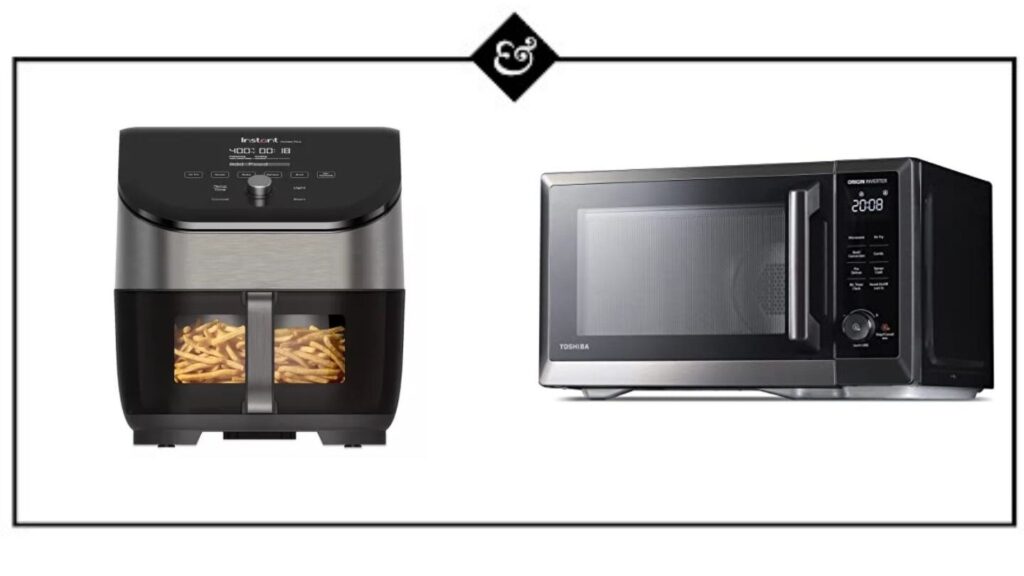
[amazon bestseller=”microwave/air fryer”]
Are you tired of juggling multiple kitchen appliances? We understand the struggle of finding the best options for microwave/air fryer combinations that simplify our cooking experience. In this article, we will explore the top choices available today that not only save time but also enhance our culinary creations.
With the increasing popularity of microwave/air fryer units, it’s crucial to identify which models stand out in terms of performance and versatility. Whether we’re reheating leftovers or whipping up crispy snacks, these innovative appliances can transform how we cook. We’ll delve into their features benefits and help you make an informed decision on what fits best in your kitchen.
So why settle for one when you can have both? Are you ready to discover the perfect microwave/air fryer that meets all your cooking needs? Join us as we compare leading models to find the ideal solution for our busy lifestyles!
Best Features to Consider in a Microwave/Air Fryer
When deciding on the best microwave/air fryer for our kitchen, there are several key features that we should consider to ensure we make an informed choice. Understanding these attributes can significantly enhance our cooking experience and help us select the model that best fits our needs. Here, we will outline the most important features to look for.
Cooking Functions
One of the primary considerations when evaluating a microwave/air fryer is its cooking functions. Many models offer multiple settings beyond simple reheating and defrosting, such as:
- Air frying
- Baking
- Grilling
- Steaming
Having a versatile appliance allows us to experiment with various recipes and cooking styles, making it a valuable addition to our kitchen.
Size and Capacity
The size and capacity of the microwave/air fryer play crucial roles in determining how efficiently it can meet our cooking requirements. When considering size:
- Think about countertop space.
- Assess if it fits under kitchen cabinets.
For capacity, we should evaluate how much food we typically prepare at once, as this will influence whether we need a smaller or larger unit.
Ease of Use
An intuitive interface contributes greatly to the overall usability of any appliance. Look for features like:
- Digital displays
- Preset cooking options
- Easy-to-read controls
These elements not only simplify operation but also reduce frustration during meal preparation.
Cleaning Features
Cleaning can often be one of the less enjoyable aspects of using kitchen appliances. Therefore, considering models with easy-clean interiors, removable parts, or non-stick surfaces can save us time and effort in maintenance.
| Feature | Importance |
|---|---|
| Cooking Functions | Diverse meal options |
| Size & Capacity | Adequate food preparation |
| Ease of Use | Simplified operation |
| Cleaning Features | Easier maintenance |
By keeping these essential features in mind while reviewing products listed at the top of this article, we can confidently choose a microwave/air fryer that aligns well with our culinary preferences and lifestyle needs.
Health Benefits of Using an Air Fryer Over a Microwave
When we consider the , it’s essential to highlight how each appliance impacts our cooking methods and food quality. Air fryers utilize hot air circulation to cook food, which often results in lower fat content compared to traditional frying methods. This method not only preserves the nutritional value of ingredients but also tends to enhance flavor without the need for excessive oils or fats.
Reduced Fat Intake
One significant advantage of air frying is the reduction in fat intake. Unlike microwaves that typically reheat food without altering its preparation method, air fryers can create crispy textures similar to deep-frying while using significantly less oil. For those aiming to maintain a healthy diet, this translates into fewer calories and reduced saturated fats.
Nutritional Preservation
Air fryers are also known for their ability to retain more nutrients during the cooking process. Foods prepared with this method tend to have better preservation of vitamins and minerals as they require shorter cooking times at lower temperatures compared to microwaving certain foods. In contrast, prolonged microwave exposure can lead to nutrient degradation in some cases.
Enhanced Flavor Profiles
Moreover, using an air fryer allows us not just healthier meals but tastier ones as well. The way it cooks by circulating hot air creates a delightful crispiness that enhances flavors naturally present in vegetables and proteins. This means we might find ourselves enjoying our meals more, potentially leading us away from unhealthy snacking habits post-meal.
| Health Benefit | Air Fryer | Microwave |
|---|---|---|
| Fat Reduction | Lower calorie meals with minimal oil usage | No impact on fat content; reheats existing fats |
| Nutrient Retention | Better preservation of vitamins and minerals | Poor retention due to longer cooking times |
| Taste Enhancement | Crispy texture improves flavors naturally | No additional flavor enhancement; primarily reheating function |
By opting for an air fryer instead of a microwave when preparing meals, we can enjoy these health benefits while still achieving delicious results. It’s worth exploring the models listed above since they have been tested for quality and performance, ensuring we make informed choices aligned with our health goals.
Cooking Versatility: Comparing Functions and Capabilities
When evaluating the cooking versatility of microwaves and air fryers, we find distinct differences in their functionalities. Both appliances serve unique purposes in the kitchen, allowing us to prepare a wide range of meals efficiently. While microwaves excel at reheating and defrosting food quickly, air fryers provide an alternative by enabling us to achieve crispy textures akin to frying without excessive oil. Understanding these capabilities is crucial for making informed choices based on our cooking preferences.
Diverse Cooking Techniques
One of the standout features of air fryers is their ability to replicate various cooking methods, such as baking, roasting, and frying. This multifunctionality allows us to experiment with recipes that require different techniques:
- Frying: Achieve that golden-brown crispiness with significantly less oil.
- Baking: Prepare baked goods like muffins or cookies effortlessly.
- Roasting: Roast vegetables or meats while retaining moisture and flavor.
In contrast, microwaves primarily focus on reheating food or cooking items that need minimal preparation time. They are excellent for tasks such as steaming vegetables or warming leftovers but lack the capacity for achieving complex textures or flavors associated with frying or roasting.
Food Preparation Speed
Another aspect where both appliances differ is in preparation speed. Microwaves shine when it comes to convenience; they can heat food within minutes without much oversight from us. However, while this rapidity is beneficial for quick meals, it may not always yield the best results in terms of texture and flavor.
Air fryers require slightly more time due to their cooking method but compensate with superior outcomes. The hot air circulation ensures even cooking throughout the food item while allowing us to enjoy results similar to traditional frying-crispy exteriors paired with tender interiors.
| Functionality | Air Fryer | Microwave |
|---|---|---|
| Cooking Methods | Baking, Roasting, Frying | Reheating, Defrosting |
| Preparation Speed | Slightly longer (crispier results) | Very fast (convenient) |
For those who prioritize versatility in meal preparation alongside health benefits highlighted earlier, investing in an air fryer could be worthwhile. The products we’ve tested above have demonstrated outstanding performance across various functions that cater well to diverse culinary needs.
Ultimately, our choice between a microwave and an air fryer should reflect not just our immediate requirements but also how we envision enhancing our culinary experiences over time.
Energy Efficiency: Which Option Saves More Power?
When considering energy efficiency, both microwaves and air fryers present unique advantages, but their power consumption can significantly differ based on usage. Understanding how each appliance utilizes energy is essential for making an informed decision that aligns with our cooking habits and environmental concerns. We have tested the models listed above to provide insights into their performance in terms of energy savings.
Power Consumption Comparison
Microwaves generally consume less power than air fryers due to their quick heating capabilities. On average, a microwave uses about 600 to 1200 watts during operation, depending on its size and settings. In contrast, air fryers typically operate within the range of 800 to 1800 watts, which allows them to achieve higher temperatures suitable for frying.
| Appliance | Average Power Consumption (watts) |
|---|---|
| Microwave | 600 – 1200 |
| Air Fryer | 800 – 1800 |
Factors Influencing Efficiency
Several factors influence the overall energy efficiency of these appliances:
- Cooking Time: Microwaves often cook food faster, leading to lower total energy use per meal.
- Batch Cooking: Air fryers can prepare larger quantities at once; however, longer cooking times may increase overall power usage.
- Temperature Settings: Higher temperature settings in air fryers can lead to increased wattage use.
By understanding these aspects, we can make more sustainable choices regarding our kitchen appliances. For instance, if we frequently prepare small meals or snacks quickly, a microwave might be more suitable due to its lower electricity consumption. However, for those who enjoy crispy textures without deep-frying oil extensively and are willing to invest slightly more in power consumption for better results over time, an air fryer could be a worthwhile addition.
Ultimately, evaluating our cooking habits alongside the features we’ve highlighted earlier will guide us toward selecting the most efficient option that meets both our culinary needs and sustainability goals while ensuring we get the best out of the products we’ve reviewed above.
Price Range and Value for Money in Kitchen Appliances
When evaluating kitchen appliances like microwaves and air fryers, understanding the price range and value for money is crucial. Both options come in various models with differing prices, features, and performance levels. By taking a closer look at these factors, we can ensure that our investment meets our cooking needs while also fitting within our budget.
Price Comparison
The cost of microwaves typically ranges from $50 to $500 depending on size, brand, and features. Basic countertop models are usually more affordable, while advanced versions with smart technology or additional functionalities command higher prices. On the other hand, air fryers generally fall between $60 and $300, with variations based on capacity and cooking functions.
| Appliance | Price Range (USD) |
|---|---|
| Microwave | $50 – $500 |
| Air Fryer | $60 – $300 |
Value for Money Considerations
While initial costs are important, we should also consider long-term value when choosing between a microwave/air fryer combination:
- Durability: Investing in well-built appliances often leads to lower replacement costs over time.
- Versatility: Air fryers offer multiple cooking methods beyond frying-like baking and roasting-potentially replacing several kitchen gadgets.
- Efficiency: The energy savings highlighted earlier can contribute to overall cost-effectiveness.
By comparing these aspects alongside the products we’ve reviewed above, we can identify which appliance offers the best value based on our specific culinary preferences.
Ultimately, whether opting for a microwave or an air fryer-or both-we encourage prioritizing quality features that enhance our cooking experience without compromising financial sensibility.