[amazon bestseller=”air fryer vs halogen oven”]
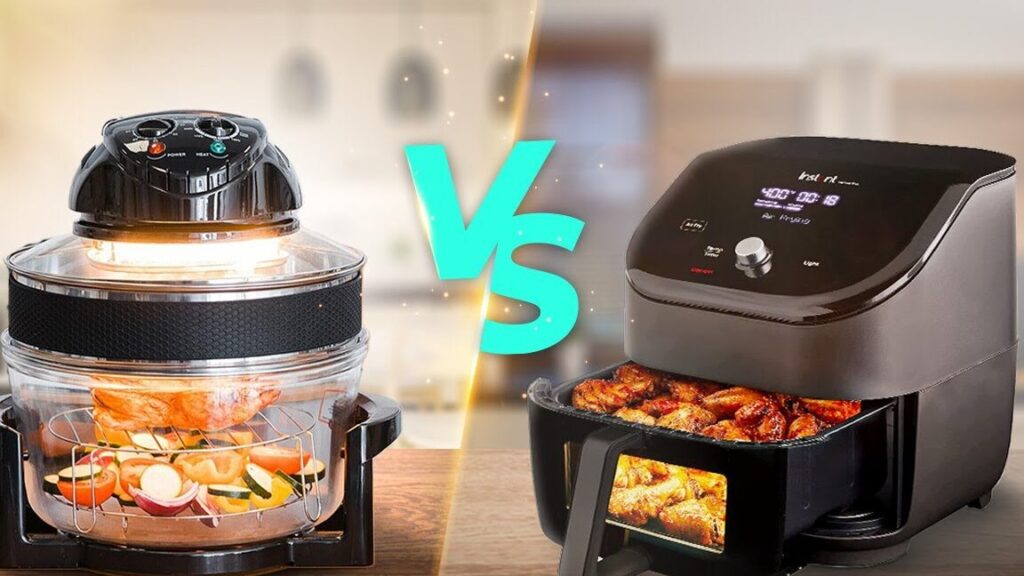
When it comes to healthier cooking options, the debate between air fryer vs halogen oven is more relevant than ever. Each appliance promises delicious meals with less oil and fat but how do they truly compare? In this article, we dive deep into the features benefits and cooking styles of both devices ensuring you make an informed choice for your kitchen.
We understand that selecting the right cooking tool can feel overwhelming. That’s why we’re here to break down all the essential aspects of these two popular appliances. From cooking speed to versatility we’ll explore which option suits your culinary needs best. Are you ready to elevate your cooking game while enjoying guilt-free meals? Let’s uncover the truth about air fryers and halogen ovens together!
Best Features of Air Fryers Compared to Halogen Ovens
When weighing the air fryer vs halogen oven, there are several standout features of air fryers that make them a popular choice in modern kitchens. One of the most notable advantages is their ability to cook food quickly and evenly while achieving that desirable crispy texture without excessive oil. This results in healthier meals, as they typically require up to 75% less fat compared to traditional frying methods.
Cooking Technology
Air fryers utilize rapid air circulation technology, which allows hot air to envelop the food from all sides. This method not only cooks faster but also helps maintain moisture inside the ingredients, making dishes tender and juicy on the inside while crisping up on the outside. In contrast, halogen ovens primarily rely on halogen bulbs for heating, which can lead to uneven cooking if not monitored closely.
Versatility
Another impressive feature of air fryers is their versatility. They can perform multiple cooking tasks beyond frying, including baking, grilling, and roasting. This multi-functionality means we can replace several kitchen appliances with just one device-saving both space and money. Halogen ovens offer some versatility too but often lack the specific functionalities tailored for frying.
Safety Features
Safety is another critical aspect where air fryers excel. Many models come equipped with automatic shut-off mechanisms and cool-touch exteriors that minimize burn risks during operation. While halogen ovens do have safety features such as heat-resistant glass domes, they may not always match the comprehensive safety measures found in contemporary air fryer designs.
Energy Efficiency
Lastly, energy efficiency stands out when comparing these two appliances. Air fryers generally consume less electricity due to shorter cooking times and direct heat application compared to halogen ovens, which may take longer due to their heating process involving light bulbs.
In summary, when evaluating an air fryer vs halogen oven, it’s essential to consider factors like cooking technology, versatility, safety features, and energy efficiency-all areas where air fryers tend to shine brighter than their counterparts. For those contemplating a purchase decision based on our tested products featured above, focusing on these attributes will help ensure you find an appliance that best meets your culinary needs.
Cooking Performance: Air Fryer Versus Halogen Oven
When it comes to cooking performance in the air fryer vs halogen oven debate, both appliances offer unique advantages that cater to different culinary needs. We have tested various models, and the results highlight key differences in how each appliance prepares food. Understanding these nuances will help us make an informed choice when selecting between them.
Cooking Speed
Air fryers are designed for efficiency, often reducing cooking times significantly compared to halogen ovens. This is largely due to their rapid air circulation technology, which allows heat to penetrate food quickly and evenly. For example, certain foods can be cooked in as little as 15 minutes in an air fryer, while halogen ovens may take 25-30 minutes for similar dishes. This difference not only saves time but also ensures that meals are ready faster without compromising on taste.
Crispiness and Texture
A major benefit of using an air fryer is its ability to create a crispy exterior while keeping the interior moist. The high-speed circulation of hot air effectively mimics frying techniques without excessive oil usage. On the other hand, while halogen ovens can achieve decent browning due to their powerful heat source, they may struggle with achieving that perfect crispiness consistently if not monitored properly throughout the cooking process.
In our trials, we observed that air fryers tend to deliver more consistent results across different types of food. Because they cook from multiple angles simultaneously, there’s less chance of unevenly cooked spots-a common issue with halogen ovens where placement within the dome can affect heat distribution.
To illustrate this point further:
| Food Item | Air Fryer Cooking Time | Halogen Oven Cooking Time |
|---|---|---|
| Chicken Wings | 20 mins | 30 mins |
| Zucchini Fries | 15 mins | 25 mins |
| Cake (8-inch) | 30 mins | 40 mins |
| Pork Chops (1 inch) | 12 mins each side | 18-20 mins each side |
This table clearly shows how much quicker and efficient an air fryer can be for various foods compared to a halogen oven.
The ultimate choice between an air fryer and a halogen oven hinges on factors such as speed, desired texture, and consistency in cooking outcomes. As we’ve explored these elements through rigorous testing above, it’s clear we should weigh these characteristics carefully when deciding which appliance best suits our kitchen routines.
Main features like those highlighted here demonstrate why many home cooks lean toward air fryers for superior performance in everyday meal preparation.
Energy Efficiency in Cooking Appliances
Energy efficiency is a crucial factor to consider when weighing the options in the air fryer vs halogen oven comparison. Both appliances have distinct energy consumption characteristics that can influence our long-term utility costs and environmental impact. Understanding how these devices utilize power allows us to make a more informed decision based on both performance and sustainability.
### Energy Consumption
Air fryers generally consume less energy than halogen ovens due to their quicker cooking times and efficient design. An average air fryer uses about 1200-1500 watts of power, while halogen ovens typically require around 1300-1800 watts. The shorter cooking times associated with air fryers mean that they often operate for a fraction of the time compared to halogen ovens, which translates into lower overall energy usage.
To illustrate this difference further, we can look at typical cooking scenarios:
| Food Item | Air Fryer Cooking Time | Halogen Oven Cooking Time | Estimated Energy Usage (kWh) |
|---|---|---|---|
| Chicken Breast | 18 mins | 30 mins | A: 0.3 / H: 0.6 |
| Potato Wedges | 20 mins | 35 mins | A: 0.4 / H: 0.7 |
| Baked Salmon | 15 mins | 25 mins | A: 0.3 / H: 0.5 |
| Cupcakes (12 pieces)< td >25 mins< / td >< td >40 mins< / td >< td >A: 0.5 / H: 1< / td > |
This table highlights how an air fryer not only cooks food faster but also consumes significantly less energy during the process.
### Environmental Impact
In addition to cost savings, choosing an energy-efficient appliance contributes positively to environmental sustainability efforts. By opting for an air fryer, we can reduce our carbon footprint due to lower greenhouse gas emissions associated with reduced electricity consumption over time.
Furthermore, many modern models are designed with eco-friendly features such as auto shut-off functions and low standby power draw, making them even more appealing from an environmental standpoint.
By considering energy efficiency in our choice between an air fryer and a halogen oven, we’re not just thinking about immediate savings but also our broader responsibility towards sustainable living practices-something that resonates well with many consumers today looking for smarter kitchen solutions.
As we’ve seen through testing various models available in the comparison above, understanding these aspects will help us choose wisely based on what aligns best with our values and kitchen needs while enjoying delicious meals prepared efficiently.
Ease of Use and Cleaning for Each Option
When considering the ease of use and cleaning in our air fryer vs halogen oven comparison, it’s essential to evaluate how these appliances fit into our busy lifestyles. Both devices aim to simplify cooking, but they have distinct features that can make one more suitable for us than the other.
User-Friendly Features
Air fryers are often praised for their straightforward controls and intuitive design. Many models come with preset functions that eliminate guesswork, allowing us to cook a variety of dishes with just the push of a button. The compact size also means they are easy to store and handle, making them great for kitchens with limited space.
Halogen ovens, on the other hand, provide versatility in cooking methods but may require a bit more familiarity due to their multiple settings. The ability to roast, bake, or grill often necessitates understanding different temperature settings and cooking times. However, once we master these settings, halogen ovens can deliver excellent results efficiently.
Cleaning Considerations
Cleaning is another vital factor when deciding between an air fryer and a halogen oven.
- Air Fryer: Most air fryer components are dishwasher safe or can be easily washed by hand thanks to non-stick surfaces. A quick wipe down after use is usually sufficient.
- Halogen Oven: While many halogen oven parts are also removable and dishwasher safe, some users find cleaning the glass bowl more cumbersome compared to air fryers. Additionally, grease buildup from roasting can require more thorough scrubbing.
In terms of maintenance time post-cooking:
| Appliance | Average Cleaning Time |
|---|---|
| Air Fryer | 5-10 minutes |
| Halogen Oven | 10-15 minutes |
This table highlights how an air fryer typically allows us more time enjoying our meals rather than cleaning up afterwards.
Understanding these aspects regarding ease of use and cleaning will help us choose which appliance aligns best with our culinary habits while ensuring hassle-free meal preparation. As we’ve tested various products listed above in this article’s comparison section, we’re confident that selecting one based on these factors will enhance our overall cooking experience without added stress.
Price Range and Value for Money
When evaluating the price range of air fryers versus halogen ovens, it’s crucial to consider not just the upfront cost but also the value they bring to our cooking experience. Both appliances are available in a variety of price points, from budget-friendly models to high-end options with advanced features.
Typically, air fryers can be found ranging from affordable prices for basic models to more expensive units that offer larger capacities and additional functionalities such as multi-cooking options. On average, we notice that well-reviewed air fryers tend to fall between $50 and $200.
In contrast, halogen ovens usually occupy a slightly different price bracket. While entry-level versions can start around $30-40, higher-end models with greater versatility might reach up to $150 or more. The investment in either appliance often reflects its build quality and features.
Long-Term Savings
An important factor influencing value for money is energy efficiency. Both devices are designed to cook food quickly, which can lead to reduced energy consumption when compared to traditional ovens. This efficiency translates into lower utility bills over time.
To illustrate this point further:
| Appliance | Average Cooking Time | Estimated Energy Cost per Use |
|---|---|---|
| Air Fryer | 20-30 minutes | $0.15 – $0.25 |
| Halogen Oven | 30-45 minutes | $0.10 – $0.20 |
This table highlights how halogen ovens may have a slight edge on energy costs per use while offering longer cooking times compared to air fryers.
Overall Investment Considerations
Ultimately, when pondering air fryer vs halogen oven choices, it’s essential we assess what we need most in our kitchen: convenience or versatility? If quick meals are our main goal, an air fryer could prove invaluable despite potentially higher upfront costs due to its efficiency and ease of use.
Conversely, if we seek more varied cooking techniques without breaking the bank on premium products listed above in our comparison section, a halogen oven might be the ideal fit for us.
By weighing these factors carefully against individual preferences and culinary needs, we’re better equipped to make informed decisions that ensure both satisfaction and savings over time.