[amazon bestseller=”air fryer versus toaster oven”]
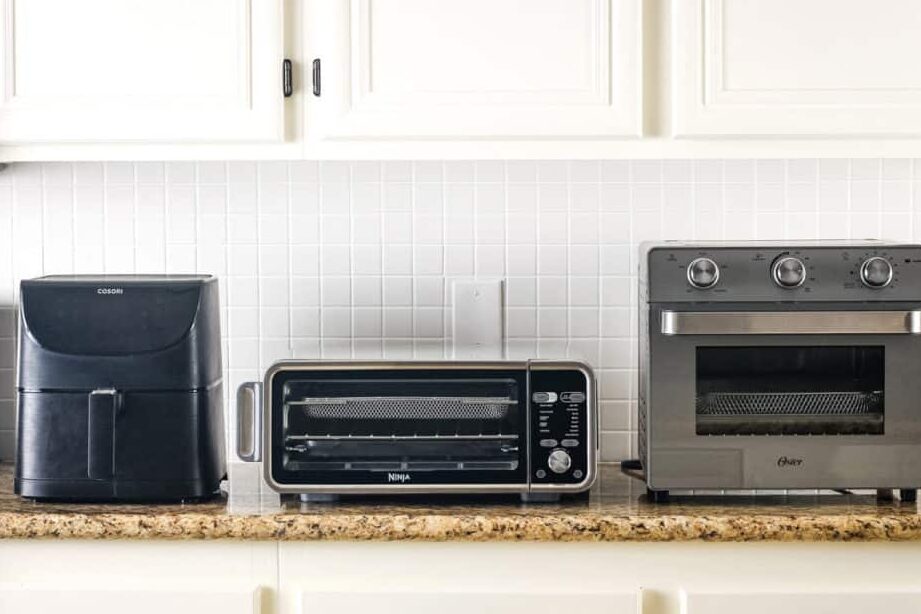
When it comes to cooking appliances, the debate of air fryer versus toaster oven is one we all face in our kitchens. Both options promise convenience and delicious results but which one truly deserves a spot on our countertops? With their unique features and capabilities, understanding the strengths of each can elevate our culinary game.
In this article, we will explore the key differences between an air fryer and a toaster oven. We’ll dive into their cooking methods efficiency versatility and how they fit into our modern lifestyles. Whether we’re looking for crispy fries or perfectly baked goods knowing which appliance best suits our needs can make all the difference.
Are you ready to transform your cooking experience? Let’s uncover whether an air fryer or a toaster oven is the right choice for us!
Best Cooking Methods for Air Fryer Versus Toaster Oven
When it comes to selecting the best cooking methods for an air fryer versus a toaster oven, understanding how each appliance operates can significantly influence our culinary choices. Both devices offer distinct advantages that cater to different cooking styles and preferences. While an air fryer circulates hot air around food to achieve a crispy texture with minimal oil, a toaster oven provides versatile cooking options like baking, broiling, and toasting.
Cooking Techniques
- Air Fryer Cooking:
- The primary technique used in an air fryer is convection cooking. This method ensures even heat distribution, resulting in dishes that are crispy on the outside while remaining tender inside.
- Ideal for frying foods such as chicken wings, French fries, or vegetables with less oil than traditional frying methods.
- Toaster Oven Cooking:
- Toaster ovens allow for more diverse cooking techniques beyond just toasting. We can bake cookies or casseroles, broil meats to perfection, or reheat leftovers evenly.
- They are particularly useful when preparing smaller batches of food without needing to preheat a conventional oven.
Speed of Cooking
- Air fryers typically cook faster due to their compact size and efficient heat circulation system.
- Toaster ovens may take slightly longer but often provide larger capacity for batch cooking.
Temperature Control
- An air fryer generally has preset temperature settings tailored for specific meals which ensure optimal results every time.
- In contrast, toaster ovens usually come with adjustable temperature controls that allow us greater flexibility depending on our recipe requirements.
Ease of Use
We find both appliances user-friendly; however:
- Air Fryer: Often features digital displays with one-touch presets making it straightforward for beginners.
- Toaster Oven: May require familiarity with manual settings but offers versatility once we master its functions.
Understanding these differences allows us to determine which appliance aligns better with our cooking habits and needs. Before making a purchase decision based on what we’ve tested above, consider reflecting on your preferred cooking style and the types of meals you intend to prepare frequently.
Energy Efficiency and Cost Considerations
When evaluating the energy efficiency and cost implications of choosing between an air fryer versus a toaster oven, we should consider several key factors. Both appliances are designed to provide convenient cooking solutions, but their energy consumption rates and operational costs can vary significantly based on usage patterns and specific models.
Energy Consumption
- Air Fryers: Typically, air fryers consume less energy than traditional ovens due to their smaller size and efficient heat circulation system. Most models operate at around 1400 to 1800 watts, allowing for quicker cooking times that also translate into lower overall energy expenditure.
- Toaster Ovens: On the other hand, toaster ovens generally use between 1200 to 1800 watts as well. While they may take longer to preheat or cook certain items compared to an air fryer, they can still be an energy-efficient alternative to conventional ovens when preparing small meals or snacks.
Cost Efficiency
In discussing cost efficiency, it’s crucial to evaluate both purchase price and long-term operating costs:
| Appliance | Average Purchase Price | Estimated Annual Energy Cost |
|---|---|---|
| Air Fryer | $60 – $300 | $30 – $50 |
| Toaster Oven | $40 – $250 | $25 – $45 |
Estimated annual energy cost varies based on frequency of use and local electricity rates.
While initial investment may seem higher for some air fryer models, their ability to quickly cook food with minimal preheating can lead to reduced electricity bills over time. Conversely, while toaster ovens tend to have a lower upfront cost, users might find themselves using more power if opting for larger meals that require extended cooking times.
Maintenance Costs
Both appliances are relatively low-maintenance; however:
- Air Fryers: Generally require minimal cleaning due to non-stick surfaces but might need occasional part replacements (like baskets) depending on usage frequency.
- Toaster Ovens: Require regular cleaning of crumb trays and heating elements but can last for many years without significant maintenance issues.
Ultimately, determining which appliance is more cost-effective depends largely on our individual cooking habits and preferences. By carefully considering these factors alongside the features highlighted in our product comparison above, we can make a more informed decision tailored specifically to our kitchen needs.
Size and Capacity: Which One Fits Your Kitchen?
When considering the size and capacity of appliances for our kitchen, we must take into account how often we cook and what types of meals we typically prepare. Both air fryers and toaster ovens come in various sizes, each with its own set of advantages depending on our cooking habits. The right choice will not only fit our space but also meet our culinary needs effectively.
Air Fryer Capacity
Air fryers tend to be compact, making them a great option for smaller kitchens or those who don’t require large cooking volumes. Most models range from 2 to 6 quarts, which is sufficient for preparing meals for one to four people. Their smaller size allows for quicker preheating times and energy efficiency during operation. However, if we’re planning on hosting family gatherings or cooking larger portions regularly, it’s important to select an air fryer that offers greater capacity.
Toaster Oven Size
On the other hand, toaster ovens are generally more versatile regarding size. They can accommodate anything from small snacks to full meals thanks to their spacious interiors. Many models include multiple rack positions, allowing us to cook different dishes simultaneously-ideal when we want to maximize meal prep efficiency. Typical toaster oven capacities range from about 4-slice models up to larger ones that can fit a whole chicken or a pizza.
Evaluating Kitchen Space
While evaluating which appliance fits best in our kitchen, it’s crucial to consider available counter space as well as storage options. If countertop real estate is limited, a compact air fryer may be preferable due to its small footprint compared to some bulkier toaster ovens that require more room both during use and storage.
| Appliance | Average Size Range | Ideal For |
|---|---|---|
| Air Fryer | 2 – 6 quarts | Small families or individuals |
| Toaster Oven | Compact (4-slice) up to Large (fits whole chicken) | Larger meals and versatile cooking |
In summary, understanding the specific dimensions and capacities of these appliances helps ensure that we choose one capable of meeting our individual needs without overwhelming our kitchen space. By assessing the detailed comparisons available above alongside this information on size and capacity, we’re better equipped to make an informed decision tailored specifically for us.
Versatility: Cooking Beyond Just Toasting and Frying
When we explore the versatility of kitchen appliances, both air fryers and toaster ovens offer a wide range of cooking options that go beyond just toasting bread or frying foods. Each appliance has unique features that can significantly enhance our culinary experience. Understanding these capabilities allows us to maximize their potential in our kitchens, ensuring we make informed decisions based on how we intend to use them.
Air Fryer Versatility
Air fryers are not just for creating crispy fries; they excel at a variety of cooking methods including roasting, baking, and grilling. We can prepare everything from vegetables and meats to desserts with minimal oil, resulting in healthier meals without sacrificing flavor. The rapid air circulation technology allows for even cooking and browning, making it an excellent choice for dishes like roasted chicken or baked goods such as muffins.
Some additional functions commonly found in air fryers include:
- Dehydrating: Perfect for snacks like dried fruits or jerky.
- Reheating: Quickly warms leftovers while maintaining texture.
- Rotisserie: Some models come equipped with rotisserie attachments for whole chickens.
Toaster Oven Functionality
Toaster ovens are equally versatile and can handle multiple cooking tasks, often serving as a mini oven in our kitchens. They are ideal for baking pizzas, casseroles, or even lasagna thanks to their larger interior space compared to most air fryers. Additionally, many toaster ovens come with settings specifically designed for broiling or convection cooking, which enhances their functionality further.
Key abilities of toaster ovens include:
- Baking: Offers traditional baking results similar to full-sized ovens.
- Broiling: Provides high heat from above for melting cheese or crisping toppings.
- Multiple rack positions: Allows us to cook several items simultaneously at varying heights.
Both appliances have been rigorously tested alongside each other in various scenarios. This comparison helps highlight their strengths and weaknesses regarding versatility. Depending on our specific needs-whether it’s preparing healthy meals quickly or baking delicious treats-a careful evaluation will guide us toward the best option suited for our kitchen dynamics.
Health Benefits of Using an Air Fryer or Toaster Oven
Utilizing an air fryer or a toaster oven in our kitchens not only enhances our cooking experience but also offers several health benefits. One of the primary advantages is the reduction of oil usage, which leads to lower calorie intake without sacrificing flavor. Both appliances can create meals that are typically crispy and delicious while using up to 75% less fat than traditional frying methods.
Nutritional Advantages
When we opt for air fryers or toaster ovens, we can achieve healthier versions of our favorite dishes. For instance, vegetables retain more nutrients when cooked quickly at high temperatures compared to other methods like boiling. By incorporating these appliances into our meal prep routines, we promote better eating habits-encouraging us to prepare more home-cooked meals instead of relying on processed options.
Weight Management
Another significant benefit is their role in weight management. Since both devices allow us to cook with minimal oil, they inherently support healthier eating patterns, which can contribute to weight loss or maintenance over time. Studies indicate that reducing dietary fat can lead to improved overall health metrics such as cholesterol levels and blood pressure.
Ease of Use and Meal Preparation
Moreover, the convenience factor cannot be overlooked; meal preparation becomes simpler with air fryers and toaster ovens due to their quick heating times and straightforward operation. This ease encourages us to experiment with different recipes and ingredients, making it easier than ever to incorporate healthy foods into our diets regularly.
In summary, by choosing either an air fryer or a toaster oven from the comparison provided above, we are investing in tools that align with a healthier lifestyle while enjoying versatile cooking options tailored for family meals or individual servings alike.