[amazon bestseller=”ninja vs instant pot air fryer”]
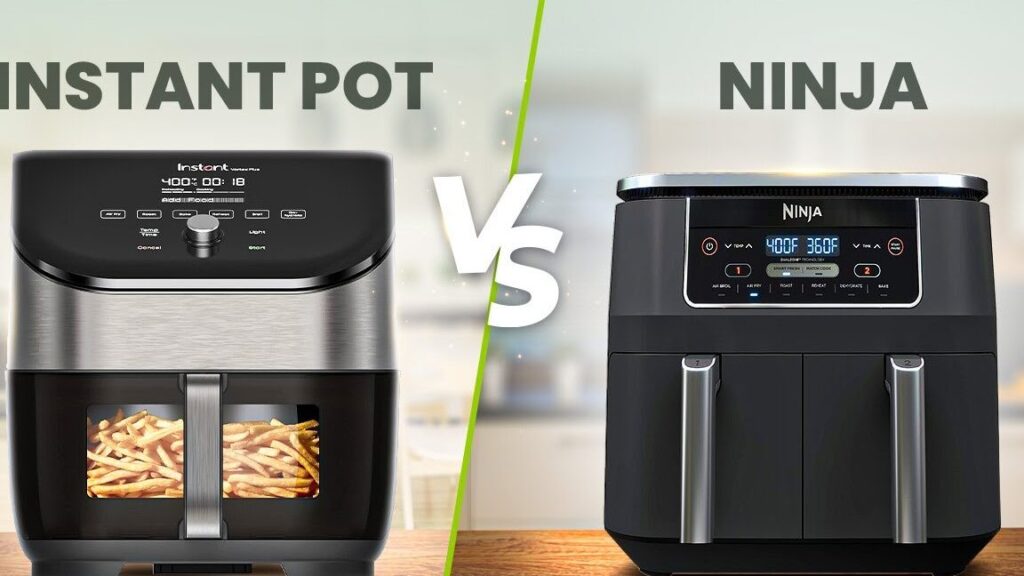
When it comes to versatile cooking appliances, Ninja vs Instant Pot Air Fryer stands out as a hot topic among culinary enthusiasts. Both brands offer innovative features that promise to elevate our cooking experience while saving us time and effort. In this comparison, we will delve into their unique functionalities, performance, and overall value.
Understanding the core differences between these two powerhouses can help us make an informed decision tailored to our kitchen needs. Whether we prioritize air frying capabilities or multi-functionality, each option has its strengths that cater to different cooking styles. Are you curious about which appliance will best suit your lifestyle? Join us as we explore the ins and outs of Ninja and Instant Pot air fryers to discover which one deserves a place in our kitchens.
Best Features of Ninja and Instant Pot Air Fryers
When comparing the Ninja vs Instant Pot air fryer, both models offer unique features that cater to various cooking needs. Understanding these features can help us make an informed decision when selecting the best appliance for our kitchen. Let’s explore some of the standout attributes that each brand brings to the table.
Ninja Air Fryer Features
- Versatile Cooking Functions: The Ninja air fryer is known for its multi-functionality, allowing users to air fry, roast, reheat, and dehydrate food with ease.
- Crispy Results: With its powerful fan and high heat settings, this model excels in producing crispy textures without excessive oil.
- Easy Cleanup: Many Ninja models come with non-stick baskets that are dishwasher safe, making post-cooking cleanup a breeze.
Instant Pot Air Fryer Features
- Pressure Cooking Capability: One of the significant advantages of the Instant Pot air fryer is its ability to pressure cook in addition to air frying. This feature allows for quicker meal preparation while retaining moisture in foods.
- Smart Programs: The Instant Pot often includes smart cooking programs tailored for different dishes, ensuring optimal results every time.
- Large Capacity Options: Some models offer larger baskets or pots, accommodating bigger meals which is perfect for family gatherings or meal prep.
Both appliances have their strengths and weaknesses; thus, understanding what we prioritize-whether it’s versatility or speed-can guide us toward making the right choice. By evaluating these key features alongside our personal cooking habits and preferences outlined earlier in this article, we can confidently navigate our options presented above.
Key Differences in Cooking Performance
When evaluating the cooking performance of the Ninja vs Instant Pot air fryer, we notice distinct characteristics that cater to different culinary needs. While both appliances excel in air frying, their core functionalities and cooking methods vary significantly, which can influence our choice based on what we value most in our kitchen experience.
Cooking Speed and Efficiency
One of the critical differences lies in the speed at which each appliance cooks food. The Instant Pot’s pressure cooking feature allows for faster meal preparation by trapping steam and heat, resulting in tender dishes in a fraction of the time it would take with traditional methods. For example:
| Cooking Method | Ninja Air Fryer | Instant Pot Air Fryer |
|---|---|---|
| Air Frying Time (Chicken Wings) | 25-30 minutes | 15-20 minutes (including pressure build-up) |
| Crisping Time for Fries | 18-22 minutes | N/A (focuses more on moist cooking) |
| Total Meal Preparation Time (Stews) | N/A (not applicable) | 35-40 minutes (quick release included) |
This table illustrates how the Instant Pot can outperform Ninja when it comes to preparing specific types of meals quickly while maintaining moisture.
Texture and Flavor
Another aspect worth noting is how each model influences texture and flavor. The Ninja excels at achieving crispy exteriors due to its powerful convection fan that circulates hot air effectively. This makes it ideal for those who prioritize crispiness in items like fries or chicken tenders. On the other hand, while the Instant Pot may not achieve a similar level of crispness during air frying, its ability to lock in moisture through pressure cooking results in flavorful stews or roasts that many home cooks appreciate.
Versatility Beyond Air Frying
Moreover, versatility plays a significant role as well. The Ninja offers various functions such as roasting and dehydrating alongside air frying, catering to diverse recipes without requiring multiple appliances. In contrast, the Instant Pot combines several cooking functions – including slow cooking, rice making, steaming – which means it serves as an all-in-one solution for those looking to minimize kitchen clutter.
In summary, when considering Ninja vs Instant Pot air fryer, we must weigh our priorities between speed versus texture or versatility versus convenience. Each appliance brings unique strengths that align differently with individual cooking styles and preferences; therefore, understanding these distinctions will help us make an informed decision about which product suits our culinary aspirations best.
Ease of Use: Which Model Wins?
When it comes to ease of use in the Ninja vs Instant Pot air fryer comparison, both models offer unique advantages that cater to different user preferences. Understanding how each appliance functions can significantly influence our decision-making process, especially if we want a hassle-free cooking experience.
User Interface and Controls
The design and layout of controls play an essential role in how quickly we can get started with our meals. The Ninja air fryer typically features intuitive dials or digital displays that allow for straightforward adjustments of temperature and cooking time. Users often appreciate its simplicity, enabling them to make quick changes without having to navigate through complex menus.
In contrast, the Instant Pot includes a more extensive selection of settings due to its multifunctionality. While this enhances versatility, it may also require a steeper learning curve for new users who need time to familiarize themselves with all options available. However, once mastered, many find that this model opens up countless culinary possibilities beyond just air frying.
Cleaning and Maintenance
Another critical factor is the ease of cleaning after use. The Ninja air fryer’s components are generally dishwasher-safe, which simplifies cleanup considerably. Additionally, its non-stick surfaces make removing residual food particles much easier than traditional methods.
The Instant Pot also features removable parts designed for easy cleaning; however, some users report that the additional sealing ring used during pressure cooking can sometimes hold onto odors or stains if not cleaned promptly. This could be an important consideration when choosing between the two models based on personal hygiene preferences and maintenance routines.
Portability and Storage
Lastly, considering where we plan to store these appliances is crucial as well. The Ninja air fryer tends to have a more compact design compared to the Instant Pot’s bulkier structure due to its multiple functionalities. If counter space is at a premium in our kitchen or if we prefer an appliance that’s easy to stow away after use, this could tilt our decision towards the Ninja model.
In summary, while both appliances stand out in their respective areas regarding usability-be it through simple operation or efficient cleanup-their strengths align differently with individual needs and kitchen habits. By reflecting on what aspects matter most for our cooking style and lifestyle preferences within this Ninja vs Instant Pot air fryer debate, we will be better equipped to choose wisely among the options presented above.
Price Comparison and Value for Money
When evaluating the Ninja vs Instant Pot air fryer models, price plays a significant role in determining their overall value for money. Both brands offer various models at different price points, which can cater to a wide range of budgets. Understanding what we get for our investment is crucial as we assess features, functionality, and long-term usability.
One way to break down the pricing is by examining key factors such as initial cost, versatility, and potential savings on cooking time and energy. Here’s a closer look:
| Model | Price Range | Key Features | Versatility |
|---|---|---|---|
| Ninja Air Fryer | $X – $Y | – Crisping Technology – Multiple Cooking Functions |
High (Air fry, roast, reheat) |
| Instant Pot Air Fryer | $A – $B | – Pressure Cooking – Slow Cooking – Steaming Options |
Very High (Multiple cooking methods) |
As reflected in the table above, both appliances come with distinct advantages that justify their respective prices. The Ninja air fryer generally occupies a more affordable segment while delivering excellent performance in air frying and roasting tasks. Its streamlined functionality makes it an attractive option for those prioritizing simplicity without sacrificing quality.
On the other hand, the Instant Pot’s higher price tag may raise eyebrows; however, its multifunctionality often compensates for this through enhanced versatility. By combining several cooking methods into one unit-including pressure cooking and slow cooking-it can save us from purchasing multiple devices. This not only reduces kitchen clutter but also provides substantial value over time.
When considering our options within the Ninja vs Instant Pot air fryer framework, it’s essential to think beyond just upfront costs. We should factor in long-term benefits such as energy efficiency and potential savings on takeout or pre-packaged meals due to increased home-cooked meal preparation.
Ultimately, understanding how each model aligns with our budgetary constraints while meeting our culinary needs will ensure that we make an informed decision about which appliance represents the best value for money in our kitchen arsenal.
Customer Reviews and Satisfaction Ratings
When we consider the Ninja vs Instant Pot air fryer, provide invaluable insights into real-world performance. These user experiences can guide our decision-making process, helping us understand how each model stands up to daily use. Gathering feedback from a variety of sources not only highlights the strengths but also points out any potential weaknesses, ensuring we make a well-rounded choice.
Customer Feedback Highlights
In analyzing customer feedback for both brands, several key themes emerge:
- Ease of Use: Many users appreciate the straightforward operation of both models. The intuitive controls and clear instructions contribute significantly to a positive cooking experience.
- Cooking Quality: Reviews often praise the delicious results achieved with both air fryers. Users report even crispiness and flavorful meals, which is essential for those looking to enjoy healthier versions of their favorite dishes.
- Versatility: A common sentiment among buyers is the multifunctionality offered by these appliances. Users frequently mention how they enjoy using them for various cooking methods beyond just air frying.
Satisfaction Ratings Overview
To better understand overall satisfaction levels, we’ve compiled some average ratings based on extensive user reviews:
| Model | Average Rating (out of 5) | Common Praise | Areas for Improvement |
|---|---|---|---|
| Ninja Air Fryer | 4.6 | – Great air frying capabilities – Easy cleaning process |
– Limited size for larger meals |
| Instant Pot Air Fryer | 4.5 | – Versatile cooking options – Time-saving features |
– Can be complex for beginners |
These ratings reflect a high level of satisfaction among customers who have used both models extensively in their kitchens. While the Ninja air fryer tends to receive slightly higher scores due to its efficiency in specific tasks like air frying, users still appreciate the Instant Pot’s versatility despite its steeper learning curve.
Ultimately, understanding equips us with practical knowledge that enhances our buying decisions within the Ninja vs Instant Pot air fryer landscape. By taking into account what actual users say about these products, we can identify which features matter most and ensure that our selected appliance will meet our culinary needs effectively.