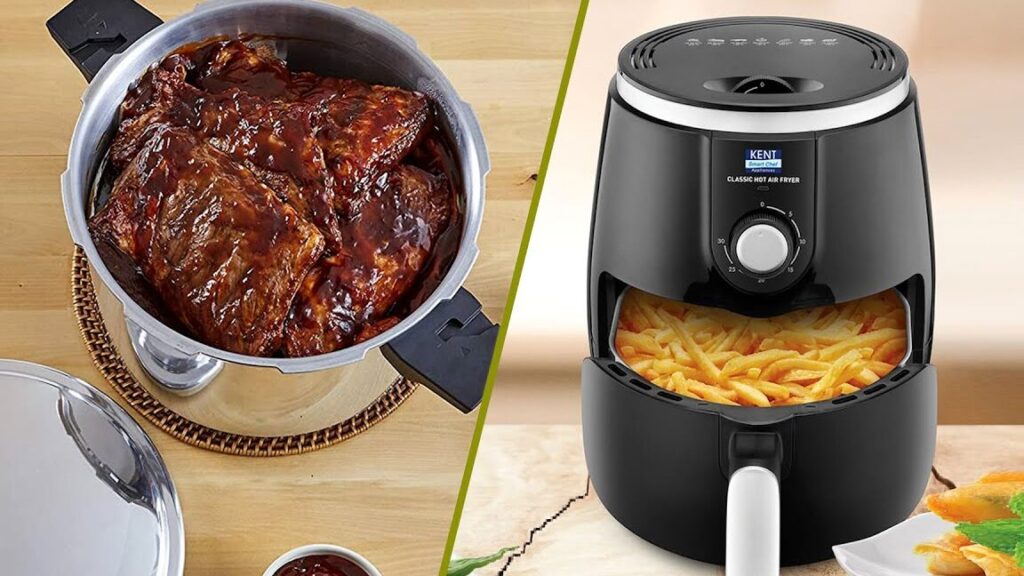
[amazon bestseller=”pressure cooker and air fryer”]
In today’s fast-paced world, the kitchen has become a battleground for efficiency and flavor. Choosing the right cooking appliance can revolutionize our meal preparation. That’s why we’re diving into the ultimate comparison of pressure cookers and air fryers. Both have taken culinary enthusiasts by storm, but which one truly deserves a spot on our countertops?
Pressure cookers excel at transforming tough cuts of meat into tender delights while significantly reducing cooking time. On the other hand, air fryers offer us guilt-free crispy goodness without compromising on taste or texture. As we explore these two powerhouse appliances, we will highlight their unique advantages and help you decide which best fits your lifestyle.
Are you ready to elevate your cooking game? Let’s uncover the features that make each appliance stand out and guide you towards making an informed decision that suits our culinary needs!
Choosing Between a Pressure Cooker and Air Fryer for Your Kitchen
When deciding between a pressure cooker and air fryer, it’s essential to consider your cooking style, dietary preferences, and the types of meals you frequently prepare. Both appliances have unique functionalities that can complement each other in the kitchen. Understanding their distinct advantages can help us make an informed choice tailored to our culinary needs.
Functionality Comparison
- Pressure Cooker: This appliance is designed for quick cooking under high pressure, which significantly reduces cooking times for dishes like stews, grains, and tough cuts of meat. Its ability to lock in moisture makes it ideal for healthy meal preparations without losing nutrients.
- Air Fryer: In contrast, the air fryer circulates hot air around food to create a crispy texture similar to frying but with much less oil. It’s perfect for those who enjoy healthier versions of fried foods such as fries or chicken wings while still getting that satisfying crunch.
Cooking Versatility
Both appliances offer versatility in the kitchen:
- A pressure cooker excels in making soups, casseroles, and one-pot meals quickly.
- An air fryer shines when it comes to roasting vegetables or reheating leftovers while maintaining crispiness.
Understanding how we plan to use these devices will guide us towards choosing the right one-or both-based on our lifestyle and dining habits.
Space Considerations
Another crucial factor in our decision-making process is space.
| Appliance | Dimensions (approx.) | Ideal Storage Location |
|---|---|---|
| Pressure Cooker | 12 x 12 x 14 inches | Countertop or cabinet |
| Air Fryer | 10 x 10 x 14 inches | Countertop preferred |
If counter space is limited, we might opt for the more compact option suitable for our specific needs. Assessing where we intend to place these appliances can prevent unwanted clutter in our kitchens.
Ultimately, whether we lean towards a pressure cooker or an air fryer, evaluating their features against what suits us best will lead us toward enhancing our culinary experiences. The detailed comparison above helps simplify this choice by highlighting key aspects associated with each device.
Key Features to Consider in Pressure Cookers
When evaluating pressure cookers, several key features can significantly influence our cooking experience and outcomes. Being aware of these characteristics will enable us to choose a model that meets our culinary needs while ensuring efficiency and convenience in the kitchen.
Size and Capacity
One of the first considerations is the size and capacity of the pressure cooker. Depending on our typical meal sizes, we may require different capacities:
- Small (2-4 quarts): Ideal for singles or couples preparing smaller meals.
- Medium (5-7 quarts): Suitable for families or those who enjoy batch cooking.
- Large (8+ quarts): Best for larger families or gatherings where multiple servings are necessary.
Selecting an appropriate size ensures that we can efficiently prepare meals without overcrowding or wasting space.
Pressure Settings
Pressure settings are crucial in determining how versatile a pressure cooker can be. Many modern models offer adjustable pressure levels, allowing us to tailor cooking times based on the ingredients:
- High Pressure: Typically reaches around 15 psi, perfect for items requiring quick cooking like beans and tough meats.
- Low Pressure: Ideal for delicate foods such as fish or vegetables that benefit from gentler cooking.
Being able to adjust these settings gives us control over how our food cooks, enhancing both flavor and texture.
Safety Features
Safety should never be overlooked when choosing a pressure cooker. Look for models equipped with features such as:
- Locking Lid Mechanism: Prevents accidental opening under pressure.
- Pressure Release Valve: Provides a safe way to release steam after cooking.
- Overpressure Protection: Reduces risks by releasing excess steam if necessary.
These safety elements not only protect us but also ensure peace of mind while using the appliance during meal preparations.
Material Quality
The material quality of a pressure cooker affects its durability and heat distribution:
- Stainless Steel: Known for its longevity and resistance to rust; it also offers even heat distribution.
- Aluminum: Lightweight and often less expensive but may warp over time compared to stainless steel options.
Choosing high-quality materials contributes to better performance, ultimately impacting our overall satisfaction with the device’s operation.
By taking into account these essential features-size, pressure settings, safety mechanisms, and material quality-we can make a more informed decision when selecting a pressure cooker. This understanding allows us to identify which product aligns best with our cooking habits as showcased in the product comparison above.
Advantages of Using an Air Fryer for Healthier Meals
Using an air fryer can transform the way we prepare meals, making them not only quicker but also healthier. This appliance allows us to enjoy our favorite fried foods with significantly less oil, reducing overall fat and calorie intake. By incorporating an air fryer into our kitchen arsenal alongside a pressure cooker, we can achieve a diverse range of cooking techniques that promote better eating habits.
### Reduced Oil Usage
One of the standout advantages of an air fryer is its ability to create crispy dishes using minimal oil. Unlike traditional frying methods that often require large amounts of oil, air fryers circulate hot air around the food, achieving similar textures without the excess calories. This means we can indulge in favorites like French fries or chicken wings while minimizing unhealthy fats.
### Versatility in Cooking
Air fryers are incredibly versatile appliances that allow us to cook various types of food beyond just frying. We can roast vegetables, bake desserts, and even grill meats-all in one compact device. This multifunctionality not only saves space in our kitchen but also encourages us to experiment with different recipes that contribute to a healthier lifestyle.
### Quick Cooking Times
In addition to their health benefits, air fryers offer impressive cooking speeds compared to conventional ovens or stovetops. They preheat quickly and reduce cooking times by up to 25% for many dishes. This efficiency is particularly advantageous for busy weeknights when we want healthy home-cooked meals without excessive wait times.
| Cooking Method | Time Comparison |
|---|---|
| Traditional Oven | 30-40 minutes |
| Pressure Cooker | 10-20 minutes |
| Air Fryer | 15-25 minutes |
By embracing both pressure cookers and air fryers in our meal preparation routine, we leverage their respective strengths-speed from the former and health-conscious results from the latter. Overall, integrating an air fryer into our culinary practices empowers us to make nutritious choices more easily while still enjoying delicious flavors.
As highlighted above with products featured earlier in this article, selecting the right model can elevate our cooking experience significantly. Whether we prioritize speed or healthiness-or ideally both-understanding these advantages will guide us toward making informed decisions when choosing between a pressure cooker and an air fryer for optimal meal preparation.
Cooking Times: How Pressure Cookers and Air Fryers Compare
When it comes to preparing meals quickly and efficiently, understanding the cooking times of a pressure cooker and air fryer can significantly influence our culinary choices. Both appliances are designed to reduce cooking time compared to traditional methods, yet they achieve this in different ways. By comparing their respective cooking times, we can better determine which appliance suits our needs for various dishes.
Pressure Cooker Cooking Times
Pressure cookers work by trapping steam within a sealed environment, allowing food to cook faster due to the increased pressure and temperature. This method is particularly effective for tougher cuts of meat, grains, and legumes. Here are some typical cooking times for common foods in a pressure cooker:
- Rice: 3-10 minutes
- Chicken (whole): 25-30 minutes
- Beef stew: 35-45 minutes
- Vegetables (like carrots or potatoes): 5-10 minutes
Given these brief cooking durations, using a pressure cooker not only saves time but also helps retain nutrients that might otherwise be lost through prolonged exposure to heat.
Air Fryer Cooking Times
Air fryers utilize rapid air circulation technology to create crispy textures without deep frying. While they may take slightly longer than pressure cookers for certain items, their efficiency still surpasses traditional ovens significantly. Typical cooking times in an air fryer include:
- Frozen French fries: 15-20 minutes
- Chicken wings: 25-30 minutes
- Roasted vegetables: 12-15 minutes
- Baked goods (like muffins): 10-15 minutes
The versatility of an air fryer means we can easily switch from frying to baking or roasting with minimal adjustments in timing.
| Cooking Method | Time Comparison |
|---|---|
| Traditional Oven | 30-40 minutes |
| Pressure Cooker | 10-20 minutes |
| Air Fryer | 15-25 minutes |
By evaluating these cooking times side by side, we can see how each appliance excels in different areas. The fast-paced nature of pressure cookers makes them ideal for meal prep when we want hearty dishes ready in no time. In contrast, air fryers shine when we’re looking for healthier alternatives without compromising on taste or texture.
Ultimately, incorporating both a pressure cooker and an air fryer into our kitchen allows us to harness their unique strengths while optimizing our meal preparation process. Whether we’re whipping up quick weeknight dinners or experimenting with healthier versions of classic favorites, knowing how these appliances compare will guide us toward making informed purchasing decisions as highlighted earlier with the featured products above.
Cost Efficiency: Which Appliance Saves You More Money
When evaluating the overall cost efficiency of kitchen appliances, it’s essential to consider not only the initial purchase price but also long-term operating costs and energy consumption. Both a pressure cooker and air fryer offer unique advantages that can contribute to savings over time. Understanding how each appliance performs in terms of energy use and cooking efficiency will guide us in making a financially sound decision.
Energy Consumption Analysis
The energy usage of these appliances plays a significant role in their overall cost efficiency. Pressure cookers generally require less electricity due to shorter cooking times compared to conventional methods. In contrast, air fryers, while slightly higher in power consumption, still operate more efficiently than traditional ovens. Here’s a breakdown:
- Pressure Cooker: Consumes approximately 700-1000 watts per session.
- Air Fryer: Typically uses around 1400-1800 watts during operation.
This difference means that while air fryers may draw more power at peak usage, their ability to cook food faster can offset this by reducing overall cooking time.
Cumulative Cost Savings Over Time
To further illustrate potential savings between using a pressure cooker and an air fryer, we should consider both the frequency of use and types of meals prepared. For instance:
- If we frequently prepare tough cuts of meat or legumes, a pressure cooker not only saves time but also helps retain moisture and flavor without requiring additional oils or fats.
- An air fryer excels at providing crispy textures with significantly less oil than traditional frying methods, contributing to healthier meals that can lead to reduced medical bills over time.
| Appliance Type | Cooking Cost per Meal (Estimated) | Total Energy Use (Annual Estimate) |
|---|---|---|
| Pressure Cooker | $0.50 – $1.00 | $30 – $50 |
| Air Fryer | $1.00 – $2.00 | $40 – $70 |
This table highlights how pressure cookers tend to be more economical for meal preparation when considering both energy consumption and ingredient costs over an extended period.
In conclusion, while both appliances have their merits regarding cost efficiency, choosing between a pressure cooker and air fryer ultimately depends on our cooking habits and preferences. By assessing our typical meal preparations alongside the features highlighted earlier with the products above, we can make informed choices that align with our budgetary goals while still enjoying hearty home-cooked meals.