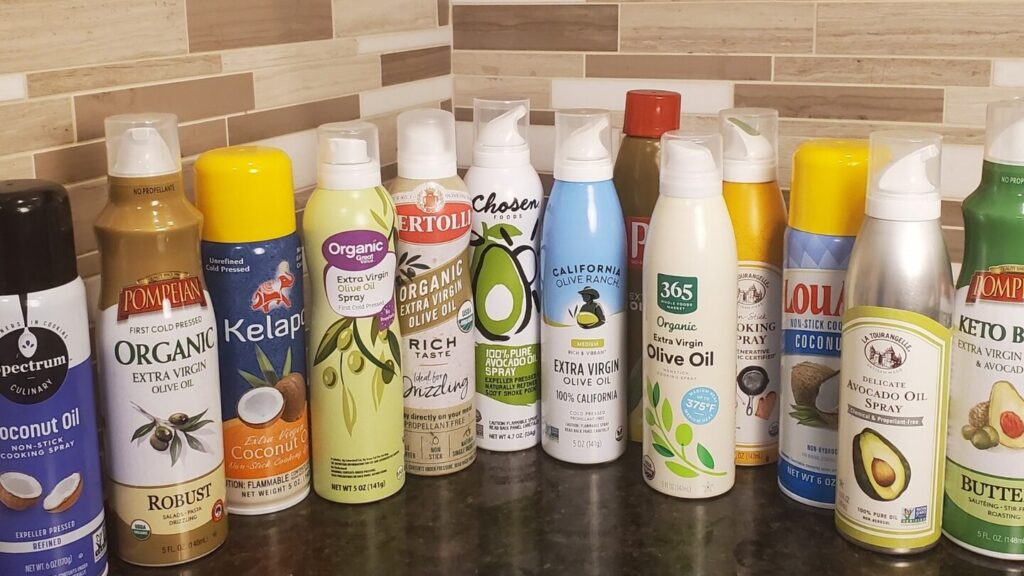
[amazon bestseller=”what cooking spray is best for air fryer”]
When it comes to cooking with our air fryer, the right cooking spray can make all the difference. With so many options available we often find ourselves wondering: what cooking spray is best for air fryer? Choosing the ideal spray not only enhances flavor but also ensures a healthier and crispier finish.
In this article, we will explore the top-rated cooking sprays that elevate our air frying experience. From traditional oils to innovative blends each option offers unique benefits tailored to our culinary needs. We’ll dive into their ingredients potential health effects and suitability for various recipes helping us make informed choices in the kitchen.
Are you ready to discover how the right cooking spray can transform your air frying game? Join us as we uncover the best options that will keep our dishes delicious and perfectly cooked!
What Cooking Spray Is Best for Air Fryer: Key Ingredients to Consider
When considering what cooking spray is best for air fryer use, it’s essential to focus on the key ingredients that contribute to both performance and health. The right cooking spray can enhance flavor, improve texture, and make cleanup a breeze. However, not all sprays are created equal; understanding their compositions will help us make informed choices.
Common Ingredients in Cooking Sprays
- Oils: The primary ingredient in most cooking sprays is oil. Common options include:
- Canola oil
- Olive oil
- Coconut oil
- Avocado oil
- Emulsifiers: These additives help blend the oils with other components and may also improve the spray’s consistency.
- Propellants: Some sprays use propellants like dimethyl ether or propane to create an aerosol mist. It’s important to check for any potential allergens or harmful chemicals.
- Additives: Certain brands may include natural flavors or preservatives that can impact both taste and shelf life.
Health Considerations
As we evaluate our options above, we must consider the health implications of various ingredients:
- Type of Oil: Different oils have different nutritional profiles and health benefits. For instance, olive oil is rich in monounsaturated fats while coconut oil contains saturated fats.
- Additives and Preservatives: We should be cautious about artificial additives that might come with some commercial sprays since they may not align with our dietary preferences.
Smoke Point Awareness
Understanding the smoke points of different oils is crucial for air frying effectiveness:
| Oil Type | Smoke Point (°F) |
|---|---|
| Canola Oil | 400 |
| Olive Oil | 375-410 |
| Coconut Oil | 350 |
| Avocado Oil | 520 |
Choosing a cooking spray with a suitable smoke point ensures optimal frying conditions without compromising flavor or safety. Our selection from the products listed above has taken these factors into account, providing options that meet both culinary needs and health standards.
By paying attention to these key ingredients when determining what cooking spray is best for air fryer applications, we can elevate our cooking experience while maintaining control over our diet and preferences.
Choosing the Right Oil Type for Your Cooking Needs
Choosing the right oil type for our cooking needs is a fundamental step in maximizing the performance of our air fryer. Each type of oil brings its own unique flavor profile, nutritional benefits, and smoke point, which can significantly influence the outcome of our dishes. As we explore the different oils available in the products listed above, it’s essential to consider how these factors align with our cooking preferences and health goals.
Oil Varieties and Their Uses
When selecting an oil for air frying, we should assess both culinary versatility and health considerations:
- Canola Oil: Known for its neutral flavor and high smoke point, canola oil is an excellent choice for those looking to maintain a lighter taste in their meals while still achieving crispy results.
- Olive Oil: This oil not only enhances flavors but also offers numerous health benefits due to its rich content of antioxidants and healthy fats. However, we need to be mindful of its lower smoke point compared to other oils.
- Coconut Oil: With a distinct tropical flavor, coconut oil adds a unique twist to recipes. It’s important to note that it’s higher in saturated fats, so moderation is key when incorporating it into our diet.
- Avocado Oil: Featuring one of the highest smoke points among cooking oils, avocado oil allows us to cook at high temperatures without compromising quality. Additionally, it provides beneficial monounsaturated fats.
Health Considerations
In evaluating what cooking spray is best for air fryer use based on oil types, we must also reflect on how each option contributes to overall health:
- Nutritional Profiles: Different oils possess varying compositions of fatty acids. For instance:
- Olive oil supports heart health with monounsaturated fats.
- Canola oil contains omega-3 fatty acids that may aid inflammation reduction.
- Dietary Preferences: Recognizing whether an ingredient aligns with personal dietary restrictions or lifestyle choices-like veganism or low-carb diets-can guide us toward suitable options from the top product selections we’ve tested.
By understanding these aspects when choosing cooking sprays compatible with air fryers, we position ourselves better to create delicious and healthier meals tailored specifically for our tastes. The options highlighted from above provide us with a variety of choices designed not only for culinary success but also aligned with our dietary needs.
Understanding Smoke Points and Their Importance
Understanding the smoke point of oils is crucial when determining what cooking spray is best for air fryer use. The smoke point refers to the temperature at which an oil begins to break down, producing smoke and potentially harmful compounds. Using oils that exceed their smoke points can result in off-flavors and diminished nutritional value, which is something we definitely want to avoid in our air frying endeavors.
When selecting a cooking spray, we should prioritize oils with higher smoke points for optimal performance. This not only ensures that our meals taste great but also helps maintain the integrity of beneficial nutrients. Below are some common cooking oils and their respective smoke points: