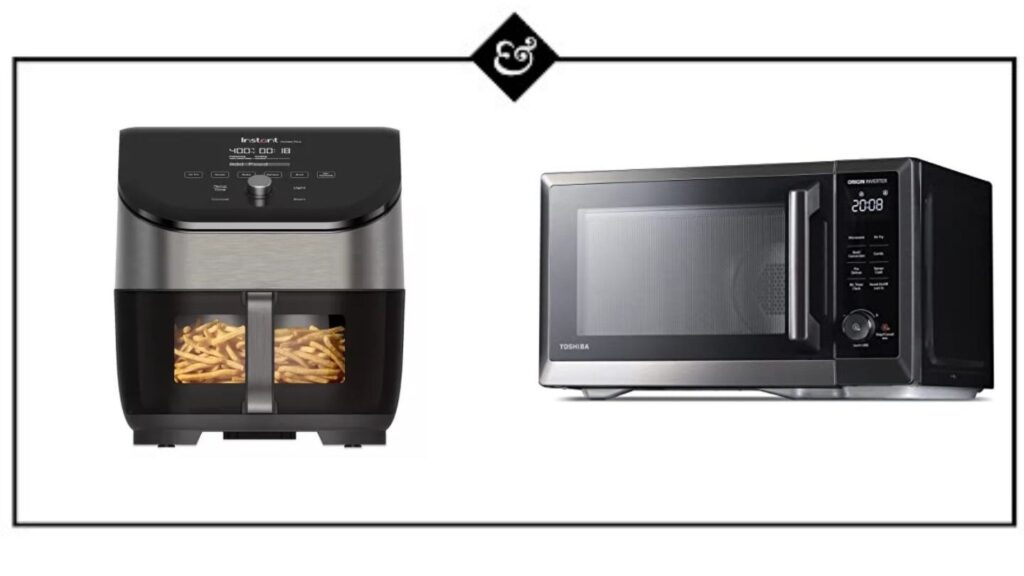
[amazon bestseller=”microwave / air fryer”]
When it comes to kitchen appliances, the choice between a microwave and air fryer can be overwhelming. Both offer unique benefits that can simplify our cooking experience while enhancing the flavors of our meals. In this guide, we will explore the best current options available on the market today to help us make an informed decision tailored to our culinary needs.
Imagine enjoying crispy fries in just minutes or reheating last night’s leftovers with perfect results. The versatility of these appliances allows us to cook a wide range of dishes effortlessly. Our comparison will delve into key features such as cooking speed energy efficiency and ease of use, ensuring we find the right fit for our kitchen.
Are you ready to elevate your cooking game? Join us as we uncover which microwave or air fryer reigns supreme in convenience performance and value. Your next favorite appliance is just a few clicks away!
Understanding Microwave and Air Fryer Functions
Microwaves and air fryers serve distinct purposes in the kitchen, yet both appliances have become essential for modern cooking. Understanding their functions helps us identify which one suits our culinary needs best. While microwaves excel at reheating food quickly and efficiently, air fryers provide a healthier alternative to traditional frying by circulating hot air to achieve a crispy texture. This knowledge not only guides us in making informed purchasing decisions but also enhances our overall cooking experience.
Microwave Functions
Microwaves operate using electromagnetic radiation to heat food from within. They are particularly useful for:
- Reheating leftovers: Quickly warming up meals without losing flavor.
- Defrosting: Safely thawing frozen ingredients without compromising quality.
- Cooking: Preparing dishes like popcorn or steaming vegetables with minimal effort.
Their versatility makes them ideal for busy households where time is of the essence.
Air Fryer Functions
Air fryers utilize rapid air circulation technology to cook food evenly while achieving a crunchy exterior. Their key functions include:
- Frying with less oil: Producing crispy textures similar to deep-fried foods but with significantly reduced fat content.
- Baking and roasting: Allowing users to prepare baked goods and roast meats effectively.
- Versatile cooking options: Offering settings for different cuisines, including grilling and dehydrating.
By understanding these functionalities, we can better appreciate how each appliance could fit into our lifestyle alongside the top products presented above.
Key Features to Consider When Choosing Your Appliance
When selecting the ideal microwave or air fryer for our kitchen, several key features should guide our decision-making. Understanding these aspects allows us to match an appliance with our cooking preferences and lifestyle needs, ensuring we maximize efficiency and satisfaction in the kitchen.
Cooking Functions
Both microwaves and air fryers offer diverse cooking functions that can enhance our culinary repertoire. We should consider:
- Microwave Functions: Look for models with sensor cooking technology for precise heating, multiple power levels for versatility, and specific presets for items like popcorn or pizza.
- Air Fryer Features: Ensure it has adjustable temperature settings, a timer function, and options for different cooking methods such as baking or grilling.
These functionalities will enable us to experiment with various recipes while delivering consistently great results.
Size and Capacity
The size of the appliance is crucial not only in terms of kitchen space but also capacity based on our typical meal preparations. We must evaluate:
- Microwaves: Consider cubic feet capacity; larger units are beneficial for families who often cook bigger meals or heat multiple dishes simultaneously.
- Air Fryers: Assess basket size as well; some models accommodate whole chickens while others suit smaller servings, making them better suited for singles or couples.
Choosing the right size ensures we won’t compromise on quality when preparing meals.
Ease of Use and Maintenance
An intuitive design simplifies operation significantly. When evaluating potential purchases:
- Control Panel: User-friendly interfaces make it easier to navigate settings quickly. Touchscreen options can be particularly convenient.
- Cleaning Requirements: Look for removable parts that are dishwasher safe; this feature saves time after cooking sessions. Non-stick surfaces also help maintain cleanliness effortlessly.
Selecting appliances that prioritize ease of use can transform how we enjoy our time in the kitchen.
By focusing on these features highlighted above alongside those showcased in our comparison table above, we equip ourselves with valuable insights necessary to select a microwave or air fryer tailored perfectly to meet both our culinary ambitions and practical requirements.
Comparing Cooking Times and Efficiency
When it comes to cooking times and efficiency, both microwaves and air fryers offer distinct advantages that can influence our choices. Understanding these differences helps us determine which appliance aligns better with our cooking style and needs.
Cooking Times
We often find ourselves pressed for time in the kitchen, making quick meal preparation a top priority. Microwaves excel in this area by providing rapid heating capabilities. On average, they can heat food in a matter of minutes, with some models even featuring turbo options to reduce cooking times further.
In contrast, air fryers typically require longer cooking durations due to their reliance on hot air circulation to achieve that crispy finish we love. While they may take around 15-30 minutes for certain dishes, the results are often worth the wait when it comes to flavor and texture.
Efficiency Ratings
To evaluate efficiency beyond just speed, we must also consider energy consumption. Generally speaking:
- Microwaves: Tend to use less energy overall because they heat food quickly without preheating requirements.
- Air Fryers: Although they might consume more power during operation due to longer cook times, many models are designed with energy-saving features like automatic shut-off functions.
A closer look at specific details in our product comparison table will help clarify how each model performs regarding energy efficiency while ensuring optimal cooking results.
Summary of Key Points
| Appliance Type | Average Cooking Time | Energy Efficiency Rating |
|---|---|---|
| Microwave | 1-10 minutes | High |
| Air Fryer | 15-30 minutes | Moderate |
By thoroughly assessing these factors along with those we’ve previously discussed regarding size and features, we equip ourselves with essential knowledge as we explore our options above for both microwaves and air fryers. This understanding empowers us to make an informed decision tailored precisely to fit our culinary ambitions while maximizing convenience in the kitchen.
Evaluating Size and Capacity for Your Kitchen
When selecting the perfect microwave or air fryer for our kitchen, size and capacity play a crucial role in determining whether an appliance will meet our needs effectively. Understanding how much space we have available and how much food we typically prepare can help us make a more informed choice. Both appliances come in various sizes, catering to different cooking habits and kitchen layouts.
Space Considerations
Before diving into specific models, it’s essential to assess the available space in our kitchen. We should consider not only the footprint of the appliance but also its height and depth, especially if we’re planning to place it on countertops or inside cabinets. Avoiding cramped spaces ensures proper ventilation and easier accessibility while using the microwave or air fryer.
Capacity Needs
Capacity is another critical factor that directly impacts our cooking experience. Here are some aspects to keep in mind:
- Microwave Capacity: Microwaves typically range from compact 0.5 cubic feet models suitable for small kitchens or single servings, to larger 2.0 cubic feet options capable of accommodating larger dishes like casseroles.
- Air Fryer Capacity: Air fryers usually offer capacities between 2 quarts (ideal for snacks) to over 10 quarts (suitable for family meals). Choosing an air fryer with ample capacity allows us to cook multiple servings at once without sacrificing quality.
Evaluating these factors helps ensure that we choose an appliance that aligns with both our culinary ambitions and kitchen constraints.
| Appliance Type | Typical Size Range | Ideal Capacity Range |
|---|---|---|
| Microwave | 0.5 – 2.0 cubic feet | 1 – 6+ servings |
| Air Fryer | 2 – 10+ quarts | 1 – 8+ servings |
By carefully evaluating size and capacity alongside other features outlined earlier, we empower ourselves with the knowledge needed to select a microwave or air fryer that perfectly fits our lifestyle and kitchen environment. This thoughtful consideration enables us to maximize functionality while ensuring seamless integration into our daily cooking routines.
Price Range and Value: Which Option Is Worth It?
Determining the right price range for a microwave or air fryer is essential for maximizing value without compromising on quality. Both appliances come in a wide spectrum of prices, and understanding what features correlate with these costs can help us make an informed decision. As we’ve tested and compared various models above, it’s important to weigh not just the upfront cost but also long-term benefits such as energy efficiency and versatility in cooking.
Understanding Price Points
When we explore different price points, we can generally categorize microwaves and air fryers into three tiers:
- Budget Models ($): Typically priced under $100, these options may lack advanced features but are suitable for basic functions like reheating or simple frying.
- Mid-Range Models ($$): Ranging from $100 to $300, these usually offer better build quality, more cooking presets, and additional functionalities that enhance our cooking experience.
- Premium Models ($$$): Priced over $300, premium appliances often incorporate cutting-edge technology such as smart controls or specialized cooking modes that justify their higher cost.
Evaluating Value Beyond Price
While it’s tempting to choose based solely on price, assessing value involves considering several factors that contribute to overall satisfaction:
- Durability: Investing in a well-built appliance can save us money over time by reducing the need for replacements.
- Energy Efficiency: Energy-efficient models often reduce electricity bills significantly compared to less efficient counterparts.
- Versatility: A microwave/air fryer combo offers multiple cooking methods-such as baking, grilling, or air frying-which can eliminate the need for additional appliances.
| Price Tier | Typical Features | Ideal User |
|---|---|---|
| Budget Models | Basic reheating; limited presets; minimal size options | Bachelors or students needing simple meals |
| Mid-Range Models | More presets; larger sizes; better wattage; some smart features | Families seeking convenience without breaking the bank |
| Premium Models | Advanced technology; high durability; extensive preset functions; | Cooks who want top performance and innovative features |
By carefully analyzing both price ranges and associated values of microwaves and air fryers listed above, we empower ourselves to select an appliance that meets our culinary needs while fitting within our budgetary constraints. This approach ensures we invest wisely in products that elevate our kitchen experiences rather than simply opting for the cheapest option available.