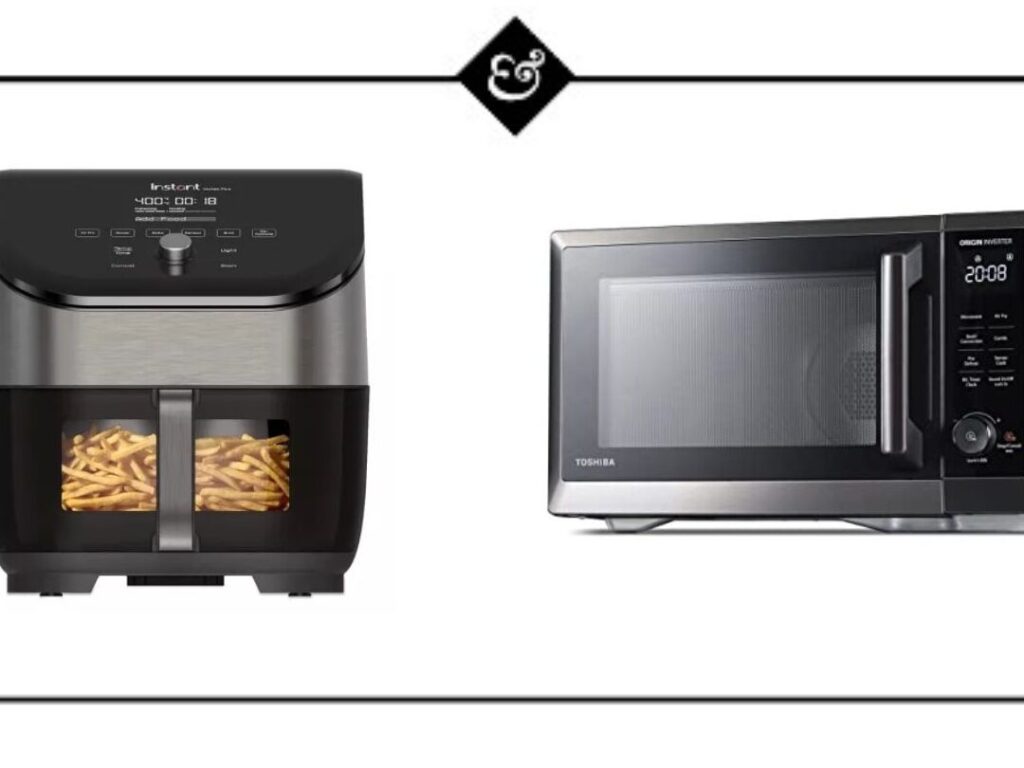
[amazon bestseller=”toshiba microwave air fryer”]
Are you ready to revolutionize your cooking experience? The Toshiba microwave air fryer combines the best of both worlds, offering convenience and versatility in one sleek appliance. In this article, we will dive into the latest models available on the market, comparing features and performance to help you make an informed choice for your kitchen.
From crispy fries to perfectly reheated leftovers, these innovative devices are designed to elevate our culinary creations while saving us time. We understand how overwhelming it can be to choose the right model with so many options out there. That’s why we’ve conducted thorough research and compiled a detailed comparison of Toshiba microwave air fryers that stand out from the crowd.
Isn’t it time we discover which Toshiba model suits our needs best? Join us as we explore each product’s strengths and weaknesses ensuring that you find the perfect fit for your lifestyle. Let’s get started!
Understanding Toshiba Microwave Air Fryer Features
The Toshiba microwave air fryer combines the best of both worlds, offering versatility in cooking methods while maintaining efficiency. When evaluating these appliances, it’s essential to understand their key features that enhance user experience and food preparation. By focusing on specific functionalities, we can make informed decisions about which model suits our culinary needs best.
Key Features to Look For
When selecting a Toshiba microwave air fryer, consider the following features:
- Multi-functionality: Many models offer various cooking modes such as air frying, baking, grilling, and microwaving. This versatility allows us to prepare a wide range of meals.
- Smart Sensor Technology: This feature adjusts cooking time and power levels automatically based on food moisture levels. It ensures perfectly cooked meals every time without constant monitoring.
- Easy-to-use Control Panel: A user-friendly interface with clear buttons or digital displays simplifies operation, making it accessible for everyone in the household.
Cooking Capacity and Size
Another critical aspect is the size of the appliance. Depending on our kitchen space and family size, choosing an appropriate capacity is vital:
| Model | Capacity (cubic feet) | Dimensions (inches) |
|---|---|---|
| Toshiba Model A | 1.5 | 20 x 16 x 12 |
| Toshiba Model B | 2.0 | 22 x 18 x 14 |
| Toshiba Model C | 2.5 | 24 x 20 x 16 |
We recommend assessing how much counter space we have available before making a purchase decision.
Additional Considerations
Lastly, it’s beneficial to check for extra features that enhance usability:
- Easy Cleaning Options: Models with non-stick interiors or removable parts simplify maintenance.
- Safety Features: Look for options like child lock settings or auto shut-off mechanisms to ensure safe operation.
Understanding these features not only helps us choose the right Toshiba microwave air fryer but also maximizes our investment by leveraging its full potential in daily meal preparations. For more detailed comparisons of current models listed above, we invite you to explore further!
Key Factors to Consider When Choosing a Microwave Air Fryer
When selecting the ideal Toshiba microwave air fryer, several key factors can significantly influence our decision-making process. Understanding these elements ensures we choose a model that meets our cooking needs and preferences while maximizing functionality. Here are some essential considerations to keep in mind:
Cooking Functions
It’s crucial to evaluate the range of cooking functions available in different Toshiba models. While most units offer standard features such as microwaving and air frying, some may include additional options like convection cooking or grilling. This versatility allows us to experiment with various recipes and techniques, enhancing our culinary experience.
User Interface and Controls
A user-friendly interface is vital for seamless operation. We should look for models equipped with intuitive controls, whether they feature a digital display or straightforward knobs. A clear layout simplifies navigation between settings, making it easier for all members of the household to utilize the appliance confidently.
Safety Features
Safety should always be a priority when using kitchen appliances. Many Toshiba microwave air fryers come with built-in safety mechanisms such as child locks and automatic shut-off features. These aspects not only provide peace of mind but also help prevent accidents during operation.
Maintenance and Cleaning
Ease of maintenance greatly affects our overall satisfaction with an appliance. Models that offer removable parts or non-stick interiors facilitate quick cleaning processes, allowing us to spend more time enjoying delicious meals rather than scrubbing surfaces.
| Factor | Description |
|---|---|
| Cooking Functions | Diverse modes including microwaving, air frying, baking, etc. |
| User Interface | Intuitive controls for easy operation. |
| Safety Features | Child locks and auto shut-off options enhance safety. |
| Maintenance Ease | Non-stick interiors simplify cleaning tasks. |
By considering these factors thoroughly before making a purchase from the products listed above, we can ensure that we select a Toshiba microwave air fryer that truly enhances our kitchen capabilities while aligning perfectly with our lifestyle needs.
Comparing Cooking Performance Across Toshiba Models
When evaluating the cooking performance of various Toshiba microwave air fryer models, we can identify distinct differences that may influence our choice. Each model showcases unique capabilities that cater to specific culinary preferences and techniques. Understanding these nuances allows us to select the best option for our cooking style while ensuring optimal results in the kitchen.
Cooking Speed and Efficiency
One of the most critical aspects of any microwave air fryer is its cooking speed. Toshiba models are designed with advanced heating technologies that provide rapid cooking times. We should consider how quickly each unit can reach desired temperatures and complete dishes, as this significantly affects meal preparation efficiency.
Versatility in Cooking Techniques
The versatility offered by different Toshiba models enhances their appeal. Some units excel not only at microwaving and air frying but also incorporate features like convection baking or broiling. This variety enables us to experiment with a broader array of recipes, from crispy fried chicken to baked desserts, all within a single appliance.
Consistency in Results
Achieving consistent results is essential for satisfying meals. We have found that certain Toshiba units maintain even heat distribution, which helps ensure that food cooks uniformly without hot spots. This consistency reduces the likelihood of undercooking or overcooking, ultimately improving our overall experience with each dish prepared.
| Model | Cooking Speed (minutes) | Versatile Functions | Heat Distribution |
|---|---|---|---|
| Toshiba Model A | 5-10 | Microwave, Air Fryer | Excellent |
| Toshiba Model B | 7-12 | Microwave, Air Fryer, Convection Baking | Good |
| Toshiba Model C | 6-11 | Microwave, Air Fryer, Broil | Very Good |
By comparing these factors across various Toshiba microwave air fryer models listed above, we can make an informed decision tailored to our culinary needs. Each model’s unique attributes highlight what we might prioritize based on our personal cooking habits-whether it’s speed, versatility, or consistency-that will enhance our kitchen experience significantly.
Energy Efficiency and Cost-Effectiveness of Toshiba Appliances
When considering the purchase of a Toshiba microwave air fryer, energy efficiency and cost-effectiveness play pivotal roles in our decision-making process. These appliances not only need to deliver exceptional cooking performance but must also be economical to operate over time. Understanding how each model balances energy consumption with functionality can help us make informed choices that benefit both our wallets and the environment.
Energy Consumption Ratings
Toshiba models are designed with energy efficiency in mind, often featuring advanced technologies that minimize power usage without sacrificing performance. When evaluating different units, we should take note of their energy consumption ratings, typically measured in watts. A lower wattage can indicate better efficiency, which translates into reduced electricity bills over time.
Cost-Effectiveness Over Time
While the initial investment in a Toshiba microwave air fryer may vary among models, it’s essential to consider long-term costs associated with operation. Some key factors to assess include:
- Energy Efficiency: Higher efficiency means lower utility costs.
- Durability: A well-built appliance may require fewer repairs or replacements.
- Versatile Functions: Models offering multiple cooking methods can replace several appliances, saving space and money.
| Model | Power Consumption (Watts) | Total Estimated Annual Cost | Main Features |
|---|---|---|---|
| Toshiba Model A | 900 | $60 | Able to microwave and air fry efficiently |
| Toshiba Model B | 800 | $55 | Adds convection baking capability for versatility |
| Toshiba Model C | 850 | $58 | Bakes and broils while using less energy than traditional ovens |
Estimated costs based on average usage; actual expenses may vary by location and frequency of use.
By analyzing these aspects across various Toshiba microwave air fryer models highlighted above, we gain insight into their potential for cost savings as part of everyday kitchen operations. Investing in an efficient unit not only enhances our culinary experience but also supports sustainable practices by reducing overall energy consumption.
User Reviews and Ratings for Current Toshiba Microwave Options
User feedback plays a crucial role in our understanding of the performance and reliability of current Toshiba microwave air fryer models. By examining user reviews and ratings, we gain valuable insights into their experiences, which can guide us in making informed purchasing decisions. Customers often highlight aspects such as cooking efficiency, ease of use, and overall satisfaction that can help us identify which features are most beneficial.
Overall User Satisfaction
When looking at user ratings for Toshiba microwave air fryers, we find an impressive level of satisfaction across various models. Many users appreciate the versatility these appliances offer, allowing them to not only microwave but also air fry and bake with ease. This multifunctionality is frequently cited as a significant advantage, especially for those with limited kitchen space who want to consolidate their cooking tools.
Common Praise Points
In analyzing customer feedback, several recurring themes emerge:
- Cooking Performance: Users consistently report excellent results when using the air fry feature. Foods come out crispy without excessive oil.
- User-Friendly Interface: Many reviewers point out how intuitive the controls are, making it easy for anyone to operate effectively.
- Compact Design: The size of these units makes them suitable for smaller kitchens while still providing ample cooking capacity.
Areas for Improvement
While many customers express high levels of satisfaction, some reviews indicate areas where improvements could be made:
- Noise Levels: A few users have mentioned that certain models can be noisier than expected during operation.
- Learning Curve: Although generally praised for usability, some users noted a slight learning curve when first adapting to the different functions available.
| Model | User Rating | Common Feedback |
|---|---|---|
| Toshiba Model A | 4.5/5 | Great air frying capability; easy to clean. |
| Toshiba Model B | 4.7/5 | Versatile functions; compact design. |
| Toshiba Model C | 4.6/5 | Noisy during operation; excellent baking results. |
By exploring these reviews alongside our comparative analysis above, we can better understand what sets each Toshiba microwave air fryer apart from the others on the market. This knowledge empowers us to make choices tailored to our specific culinary needs and preferences while ensuring we select a model that aligns with our expectations based on real-life usage experiences.