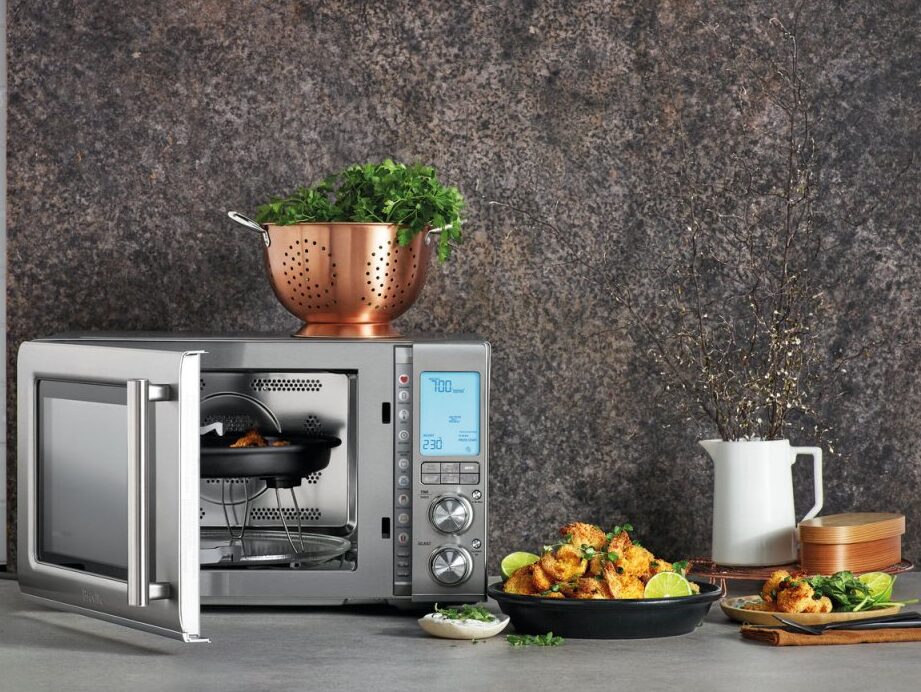
[amazon bestseller=”convection microwave vs air fryer”]
In today’s fast-paced world we all seek convenience without sacrificing taste. The debate between convection microwave vs air fryer has become increasingly relevant as we look for efficient cooking solutions that suit our modern lifestyles. Both appliances promise crispy textures and quick cooking times but which one truly stands out in the kitchen?
As we dive into this comprehensive comparison we’ll explore the unique features benefits and limitations of each device. Whether you’re a culinary novice or an experienced chef understanding the differences can transform your meal prep game. Are you ready to discover which appliance will elevate your cooking experience? Let’s find out together!
Choosing Between Convection Microwave and Air Fryer
When considering the convection microwave vs air fryer, we find ourselves evaluating two popular kitchen appliances that cater to different cooking needs. Each device offers unique advantages, and the choice largely depends on our cooking habits, preferences, and desired results. Understanding these differences can help us make an informed decision about which appliance is best suited for our culinary adventures.
Cooking Versatility
One of the primary factors in our decision-making process is the versatility offered by each appliance. A convection microwave combines traditional microwave technology with a fan that circulates hot air, allowing for both reheating and baking. This makes it suitable for a wide range of dishes, from steaming vegetables to roasting meats.
On the other hand, an air fryer excels at achieving crispy textures similar to deep frying but with significantly less oil. It’s ideal for making healthier versions of fried foods such as chicken wings or French fries. If our goal is to prepare meals quickly while retaining flavor and texture, understanding how each appliance performs in these areas will be crucial.
Speed and Efficiency
In terms of speed, air fryers generally heat up faster than convection microwaves due to their direct heating methods. They typically require less preheating time and can cook food more quickly once they are running. Conversely, while convection microwaves take slightly longer to reach optimal temperatures, they often allow us to cook larger quantities at once thanks to their spacious interiors.
To give you a clearer picture of how these appliances compare in efficiency:
| Feature | Convection Microwave | Air Fryer |
|---|---|---|
| Preheat Time | Short (typically 5-10 minutes) | Very Short (about 3-5 minutes) |
| Cooking Time | Varies (depending on size & dish) | Fast (usually shorter than microwaving) |
| Capacity | Larger (suitable for bigger meals) | Smaller (best for smaller batches) |
Health Considerations
Health-conscious individuals often prioritize cooking methods that reduce fat intake without sacrificing taste. Here’s where we see significant differences: air fryers use circulating hot air combined with minimal oil usage to deliver crispy results that resemble traditional frying but are far healthier.
Meanwhile, convection microwaves can also promote healthy cooking by steaming or roasting without added fats; however, they may not replicate the crispy texture achieved by an air fryer as effectively. Therefore, if health benefits are paramount in our kitchen decisions, this aspect could sway our preference towards one appliance over another.
By carefully weighing these various factors-cooking versatility, speed and efficiency along with health considerations-we can approach our purchase with greater clarity. As we navigate through the options listed above regarding convection microwave vs air fryer, let’s focus on what aligns best with our culinary lifestyle and preferences before making a final decision.
Cooking Techniques and Their Impact on Flavor
When we delve deeper into the convection microwave vs air fryer, it’s essential to explore how each appliance utilizes different cooking techniques, which ultimately influences the flavor profile of our dishes. The methods employed by these devices not only affect taste but also texture and overall culinary experience. By understanding these techniques, we can better appreciate their strengths and weaknesses in enhancing our meals.
Convection Cooking Method
The convection microwave employs a fan to circulate hot air around food, promoting even cooking and browning. This technique is particularly effective for roasting meats and baking pastries, as it allows for a crisp exterior while preserving moisture inside. We have found that using this method can enhance flavors significantly; for instance, roasting vegetables in a convection microwave results in caramelization that intensifies their natural sweetness.
Air Frying Technique
In contrast, the air fryer operates through rapid air circulation combined with minimal oil usage. This method mimics traditional frying but provides a healthier alternative without compromising on taste. Our tests show that foods cooked in an air fryer achieve a satisfying crunch comparable to deep-fried items, making them incredibly appealing without the added fats. For those keen on enjoying crispy textures while ensuring lower calorie intake, this technique shines through.
| Cooking Technique | Convection Microwave | Air Fryer |
|---|---|---|
| Cooking Method | Hot air circulation with microwave technology | Rapid air circulation with minimal oil |
| Taste Enhancement | Crispy exteriors and moist interiors (great for baking) | Crispy textures similar to frying (ideal for fried foods) |
| Main Benefits | Diverse cooking options from reheating to complex baking tasks | Healthier versions of traditionally fried dishes |
The choice between these two appliances largely hinges on our cooking preferences. If we seek versatility along with enhanced flavor profiles across various cuisines-from perfectly baked goods to succulent roasts-the convection microwave stands out as an excellent option. Meanwhile, if our primary aim is achieving crispiness akin to fried foods while maintaining health-conscious practices, then the air fryer becomes a compelling candidate.
This understanding of how different cooking techniques impact flavor aids us when comparing products above and deciding what best suits our culinary needs. Ultimately, knowing how each appliance enhances or modifies flavors empowers us in creating delicious meals tailored to our tastes.
Energy Efficiency Comparison for Modern Kitchens
In the quest to optimize our kitchen experience, energy efficiency emerges as a vital consideration when evaluating the convection microwave vs air fryer. Both appliances promise culinary innovation while potentially lowering energy consumption compared to traditional cooking methods. By understanding their respective efficiencies, we can make informed choices that align with both our cooking habits and environmental concerns.
Energy Consumption Overview
A crucial factor in determining the value of these appliances lies in their energy usage. Here’s how they generally compare:
- Convection Microwave:
- Typically consumes around 600-1200 watts.
- Efficient for reheating and cooking small meals quickly, which can lead to lower overall energy use.
- Air Fryer:
- Generally uses between 1400-1800 watts.
- While it cooks food rapidly due to high heat circulation, it may consume more power during longer cooking sessions.
Understanding these figures helps us gauge not only the immediate cost of operation but also how they fit into our broader sustainability efforts.
Cost Efficiency
When analyzing long-term costs associated with each appliance, we must consider factors such as:
- Cooking Time:
- The convection microwave often reduces cooking time significantly; this translates into less electricity used overall.
- Versatility and Usage Frequency:
- If we utilize one appliance more frequently for various tasks (like baking or roasting), its initial higher wattage might be offset by its efficiency in preparing multiple dishes at once.
- Energy Star Ratings:
- Some models come with Energy Star certifications indicating they meet strict efficiency guidelines set by environmental standards. This certification can lead us to products that save money on utility bills over time.
| Appliance | Typical Wattage | Energy Efficiency Features |
|---|---|---|
| Convection Microwave | 600-1200 watts | Fast heating, versatile functions |
| Air Fryer | 1400-1800 watts | Crispy results with minimal oil usage |
By weighing these factors carefully against our personal cooking styles and preferences showcased in the product comparisons above, we are equipped to choose an appliance that balances performance with energy savings effectively. Ultimately, whether opting for a convection microwave or an air fryer, understanding their energy profiles enables us not just to enhance our culinary capabilities but also to contribute positively towards sustainable living practices within our modern kitchens.
Size and Capacity: Which One Fits Your Needs?
When considering the convection microwave vs air fryer, size and capacity play crucial roles in determining which appliance best fits our kitchen needs. Each device is designed with specific cooking tasks in mind, and understanding these dimensions can help us make an informed decision that aligns with our culinary habits and available space.
Firstly, we need to evaluate the typical sizes of both appliances:
- Convection Microwave:
- Generally offers a range of capacities from 1.5 to 2.2 cubic feet.
- Ideal for larger families or those who often prepare multiple dishes at once.
- Air Fryer:
- Usually comes in smaller capacities, around 3 to 6 quarts.
- Best suited for quick meals or snacks but may require batch cooking for larger gatherings.
These differences highlight how their respective sizes cater to varied cooking styles. If we frequently host dinner parties or enjoy meal prepping, a convection microwave might be more advantageous due to its versatility and spacious interior. On the other hand, if we prioritize speed and convenience for single-serving meals or quick snacks, an air fryer may suffice.
Space Considerations
Before making a purchase, it’s essential to assess our kitchen layout:
- Counter Space:
- Convection microwaves tend to occupy more counter space due to their larger design.
- Air fryers are typically more compact, making them easier to store when not in use.
- Cabinetry and Ventilation:
- Ensure there’s enough clearance above any appliance chosen; convection microwaves usually require better ventilation compared to air fryers.
Cooking Capacity
Understanding how much food each appliance can handle is equally important:
| Appliance | Typical Size Range | Cooking Capacity |
|---|---|---|
| Convection Microwave | 1.5 – 2.2 cubic feet | Multiple servings at once; great for baking and roasting. |
| Air Fryer | 3 – 6 quarts | Ideal for single meals; requires batching for large quantities. |
By reflecting on our cooking patterns alongside these specifications presented in the product comparison above, we can confidently determine whether a convection microwave or an air fryer aligns better with our needs. Understanding size and capacity ultimately enhances not just functionality but also satisfaction with our culinary experiences at home.
Cost Analysis: Value for Money in Kitchen Appliances
Determining the value for money when comparing a convection microwave vs air fryer requires us to look beyond the initial purchase price. It’s essential to consider long-term costs, including energy consumption, maintenance, and versatility in cooking. By evaluating these factors, we can make an informed decision that aligns with our budget and culinary needs.
Initial Investment vs Long-Term Savings
The upfront cost of both appliances can vary significantly based on brand, features, and capacity:
- Convection Microwave: Typically priced higher due to its multifunctionality.
- Air Fryer: Generally more affordable but limited in functionality compared to a convection microwave.
While an air fryer may seem like a more economical choice initially, it’s crucial to assess how often we will use each appliance. A convection microwave offers diverse cooking options such as baking, roasting, grilling, and reheating-all in one unit. This versatility could lead to greater long-term savings by eliminating the need for multiple appliances.
Energy Efficiency Considerations
An important aspect of cost analysis is energy efficiency. Both appliances are designed to be efficient; however:
- Convection Microwave:
- Air Fryer:
- Tends to consume less power for quick meals but may not be suitable for larger portions without additional batches.
This consideration highlights that while air fryers are great for quick tasks, their energy usage might add up if used frequently for large gatherings.
Cumulative Value Over Time
The ultimate decision between a convection microwave and an air fryer should also reflect on how much value each appliance brings over time:
| Appliance Type | Cumulative Benefits | Potential Drawbacks |
|---|---|---|
| Convection Microwave | Diverse cooking capabilities leading to increased meal variety; potentially lower cumulative costs due to multi-functionality. | A higher initial investment may deter some buyers despite long-term savings potential. |
| Air Fryer | Simplified cooking processes with faster results; lower upfront cost makes it accessible for many households. | Lack of versatility may necessitate additional purchases over time; repeated batch cooking could negate initial savings on energy bills. |
This comparison emphasizes the importance of recognizing not only what we pay at first glance but also what we gain through consistent use. In essence, investing in a convection microwave can yield better value over time as it adapts more effectively to varying culinary demands while reducing the necessity for supplementary kitchen gadgets. Evaluating these factors will guide us toward making an informed purchase that suits our lifestyle best-and don’t forget to check out the product comparisons provided above before finalizing your choice!